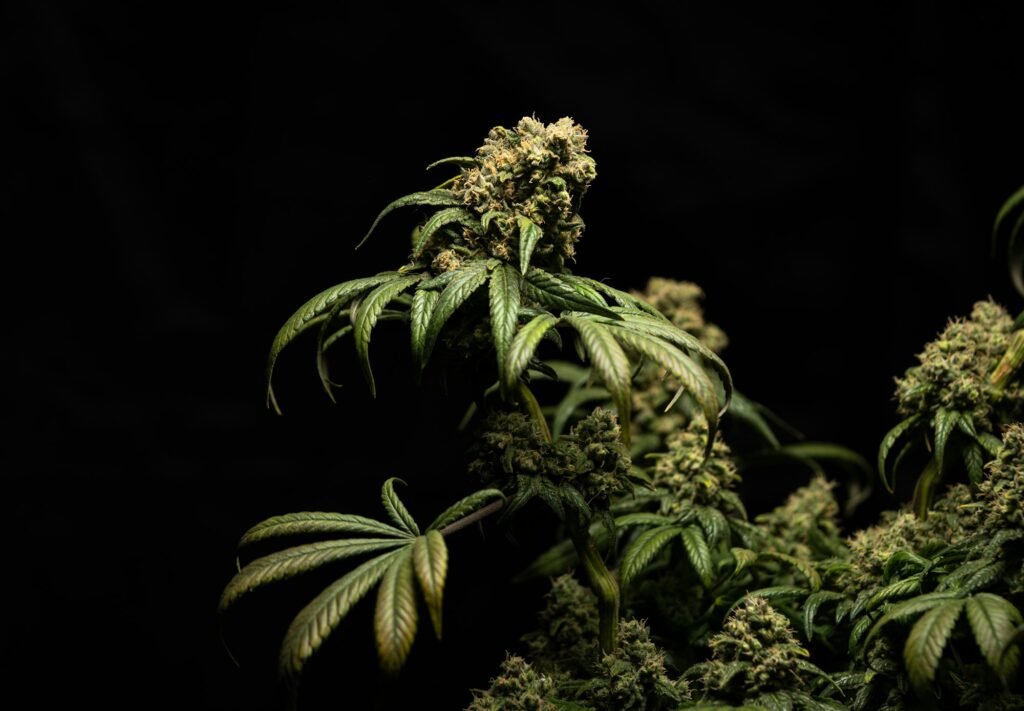
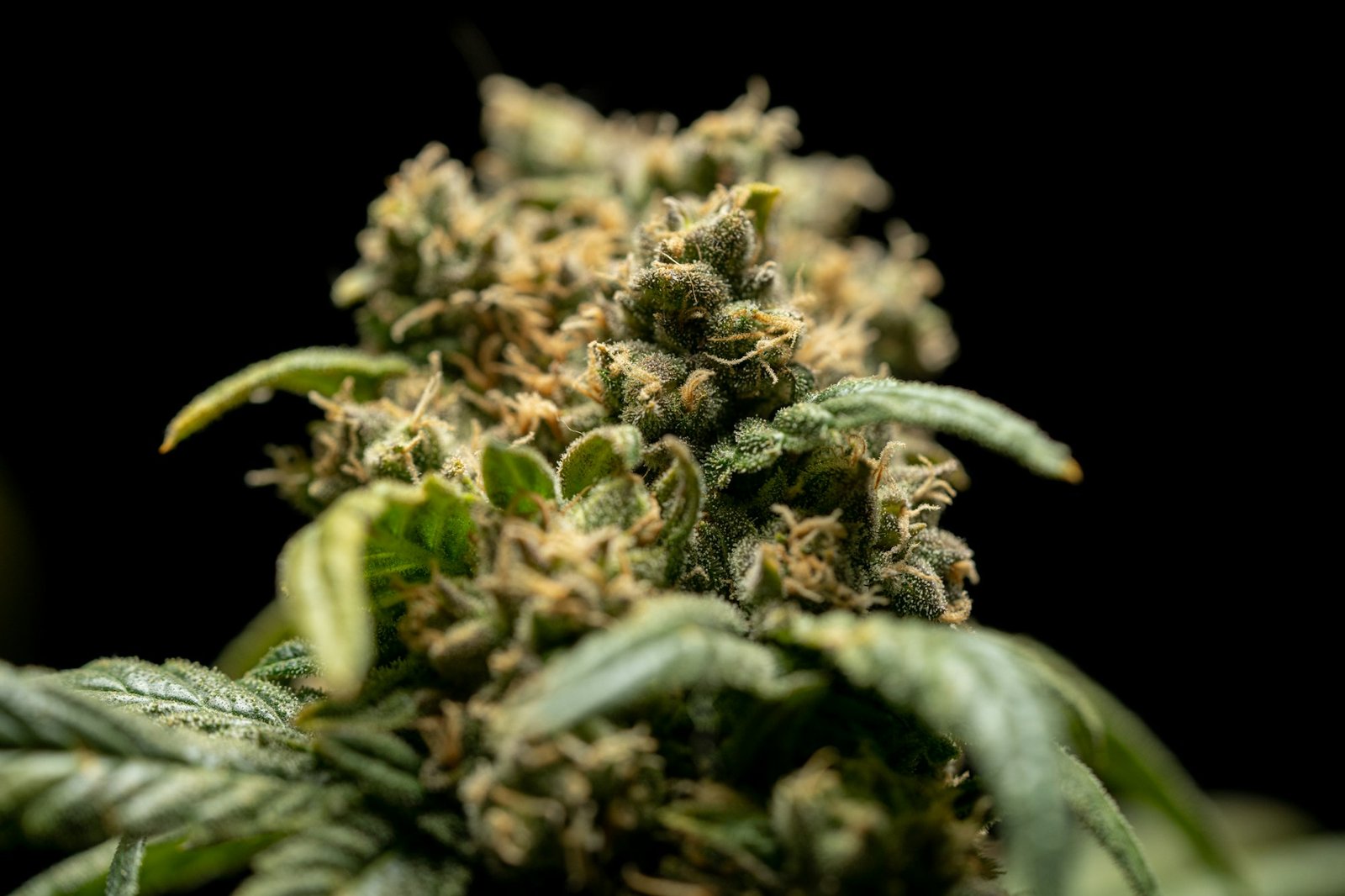
Open a jar of good cannabis and the first thing you notice is the smell. Some flowers smell of lemon zest, others of pine forest, ripe mango, black pepper or even diesel. That extraordinary range of aromas comes mostly from cannabis terpenes, a family of natural compounds that the plant produces in tiny resin glands on its flowers.
Terpenes are one of the most interesting and least understood parts of cannabis. This guide explains what they are, how they differ from cannabinoids such as THC and CBD, the eight main cannabis terpenes and where else you can find them in nature, why some strains smell of skunk or diesel, and how to use your nose when you choose a flower. It is general information, not medical advice.
Key takeaways
- Cannabis terpenes are aromatic compounds that give each strain its smell and much of its flavour.
- More than a hundred have been identified in cannabis, and the same compounds occur in fruit, herbs and spices.
- The main ones include myrcene, limonene, caryophyllene, pinene, linalool, terpinolene, humulene and ocimene.
- The skunky, diesel-like smell of some strains comes mostly from sulfur compounds, not terpenes.
- Heat, light and air destroy terpenes, so fresh, well-stored flowers keep a richer aroma.
In this article
What are cannabis terpenes?
Terpenes are a large family of aromatic compounds made by plants. They give lemons their citrus scent, pine trees their resinous smell and lavender its floral perfume. Plants produce them for practical reasons: to attract pollinators, to repel insects and grazing animals, and to protect themselves against heat and disease.
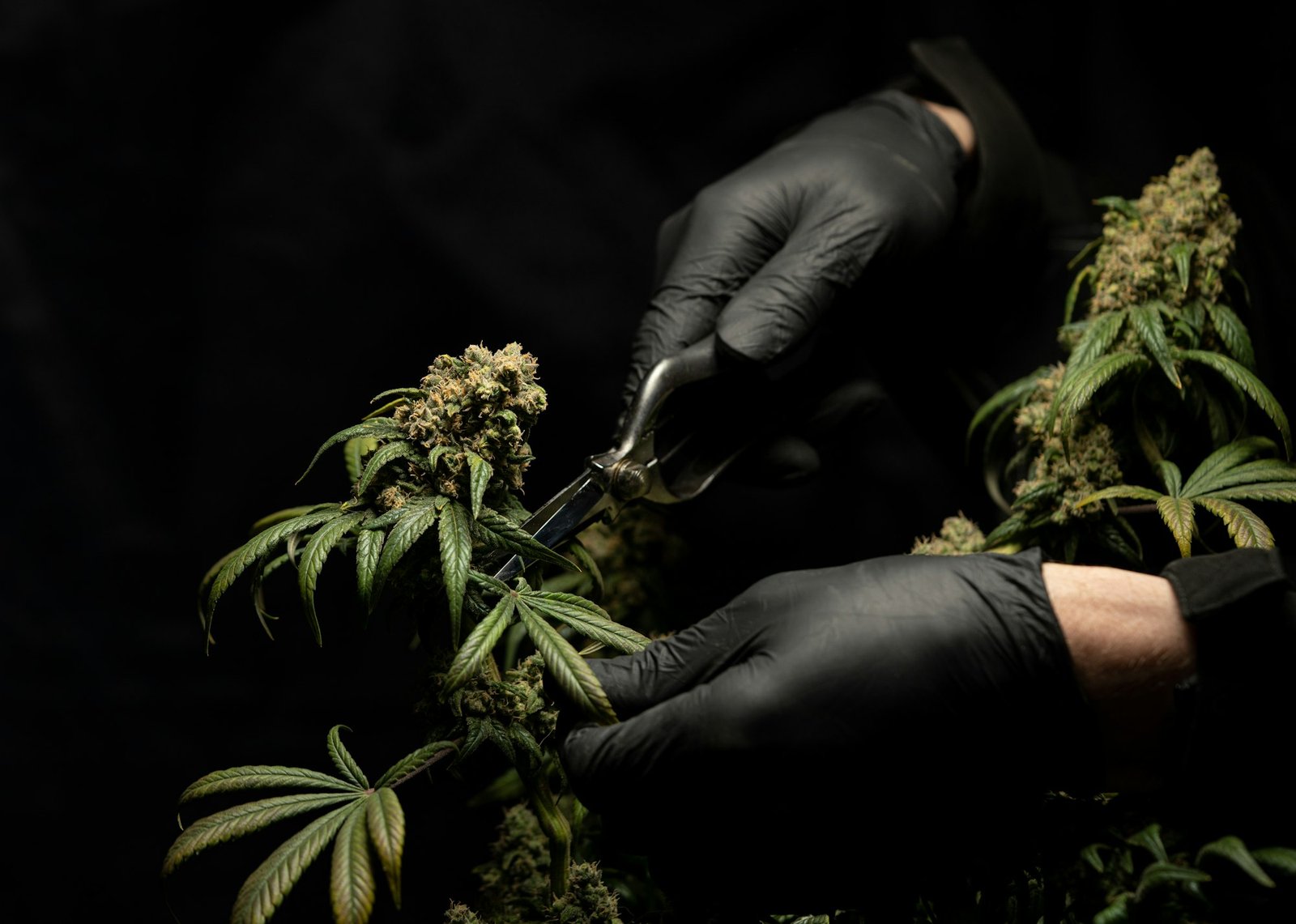
In cannabis, terpenes are produced mainly in the glandular trichomes, the tiny, mushroom-shaped resin glands that make good flowers look frosty. The same glands also produce the cannabinoids. That is why a flower covered in healthy trichomes usually has both a strong aroma and a rich cannabinoid content.
More than a hundred different terpenes have been identified in cannabis, but a handful usually dominate. The combination and proportions of these compounds in a given flower is called its terpene profile. Two strains with a similar THC content can have completely different terpene profiles, and therefore a completely different aroma.
Terpenes vs cannabinoids
Cannabinoids and terpenes are often confused, but they are different families of compounds.
| Cannabinoids | Terpenes | |
|---|---|---|
| Examples | THC, CBD, CBG | Myrcene, limonene, pinene |
| Main role in the experience | Effects on the body’s endocannabinoid system | Aroma and flavour |
| Found only in cannabis? | Mostly | No, very common in plants |
| Shown on labels as | A percentage of THC and CBD | Sometimes as the dominant terpenes |
Some researchers have proposed that terpenes may also modulate the effects of cannabinoids, an idea known as the “entourage effect”. It is an interesting hypothesis, but the scientific evidence is still limited and debated. For now, the most reliable thing we can say is that terpenes shape the aroma and flavour of each flower. Our guide to THC vs CBD explains the cannabinoids in more detail.
The 8 main cannabis terpenes
Here are the terpenes you are most likely to meet in a dispensary, with the aromas they are known for and some of the other plants in which they occur.
Myrcene
Myrcene is one of the most common cannabis terpenes in modern strains, often the dominant one. Its aroma is earthy, musky and slightly fruity. It also occurs in mango, hops, thyme, lemongrass and bay leaves. Many strains with an earthy, herbal aroma owe much of it to myrcene.
Limonene
As its name suggests, limonene smells of citrus, especially lemon and orange peel, where it occurs in large amounts. Strains with a bright, zesty aroma, such as those with “lemon” in their name, usually contain a good share of limonene.
Beta-caryophyllene
Beta-caryophyllene has a spicy, peppery and woody aroma. It is abundant in black pepper and cloves, and also occurs in cinnamon and rosemary. It is unusual among terpenes: a 2008 study published in PNAS showed that it binds to the CB2 receptor, one of the receptors of the endocannabinoid system.
Alpha-pinene
Pinene smells exactly as you would expect: of pine needles and fresh forest. It is one of the most widespread terpenes in nature, found in pine trees, rosemary, basil and dill. Strains with a sharp, fresh, resinous aroma often contain pinene.
Linalool
Linalool is the floral terpene of lavender, and it also occurs in coriander, basil and many flowers. In cannabis it is usually present in smaller amounts, bringing a soft, floral, slightly sweet note to the terpene profile.
Terpinolene
Terpinolene has a fresh, herbal and slightly floral aroma, sometimes compared with lilac, apple, nutmeg or tea tree. It is found in fewer strains as a dominant terpene, but when it is, it gives a very recognisable, bright and complex aroma. Durban Poison is often cited as a terpinolene-rich strain.
Humulene
Humulene is closely related to caryophyllene and gives an earthy, woody and hoppy aroma. It is one of the main terpenes of hops, which is why some cannabis flowers remind people of craft beer.
Ocimene
Ocimene has a sweet, herbal and slightly woody aroma. It occurs in basil, mint, parsley and orchids, and it adds a fresh, green note to the strains in which it is present.
Beyond the big eight: other terpenes you may see
The eight terpenes above are the ones you will meet most often, but lab reports sometimes list others. Here are a few worth recognising.
- Bisabolol: a gentle, floral and slightly honeyed terpene, best known from chamomile.
- Nerolidol: a woody, floral terpene also found in jasmine, ginger and tea tree.
- Geraniol: a rosy, sweet terpene found in roses and geraniums.
- Valencene: a sweet orange note, named after the Valencia orange.
- Eucalyptol: the cool, minty terpene of eucalyptus and rosemary.
These minor terpenes are usually present in small amounts, but they can add a distinctive touch to a flower’s aroma, the way a pinch of spice changes a dish.
A simple aroma guide
If you are new to cannabis terpenes, this table links the aromas you notice with the terpenes most often behind them.
| If the flower smells of… | Terpenes often involved |
|---|---|
| Lemon, orange, citrus peel | Limonene, valencene |
| Pine, forest, fresh resin | Pinene |
| Pepper, cloves, spice | Beta-caryophyllene |
| Earth, musk, ripe mango | Myrcene |
| Lavender, flowers | Linalool, geraniol |
| Hops, wood | Humulene |
| Fresh herbs, lilac, apple | Terpinolene, ocimene |
| Garlic, onion, fuel, skunk | Sulfur compounds rather than terpenes |
Treat the table as a guide rather than a rule. Most flowers contain several terpenes, and the way they combine is what makes each terpene profile unique.
How terpenes are measured
Producers who want precise information send samples of their flowers to a laboratory. The lab uses a technique called gas chromatography to separate the compounds and measure how much of each one is present. The results are usually expressed as a percentage of the flower’s dry weight.
Total terpene content is generally modest, typically a few percent at most, even in very aromatic flowers. That is why small differences in growing, drying and storage can make such a big difference to the aroma. Where a lab report is available, it usually lists the two or three dominant terpenes, which is the most useful information for a buyer.
Why some weed smells like diesel or skunk
For decades, people assumed that the famous skunky smell of some cannabis came from terpenes. Research published in 2021 in ACS Omega showed that it comes mostly from a family of volatile sulfur compounds, similar to those that give garlic, onions and skunks their pungent smell.
These compounds are present in tiny amounts, but the human nose is extremely sensitive to them. They explain why strains with savoury, garlicky or fuel-like aromas, such as GMO, smell so different from fruity or floral strains. Terpenes are still part of the picture, but they are not the whole story.
What shapes a strain’s terpene profile
The aroma of a flower is not fixed by its name alone. Several factors shape its terpene profile.
- Genetics. Each cultivar has a tendency to produce certain terpenes more than others.
- Growing conditions. Light, temperature, nutrients and the health of the plant all influence terpene production.
- Harvest timing. Terpene levels change as the flowers mature, so harvesting at the right moment matters.
- Drying and curing. A slow, careful dry and cure preserves terpenes. A rushed dry can leave flowers smelling of hay.
- Storage. Terpenes are volatile. Heat, light and air make them evaporate or degrade over time.
That last point matters a lot on a tropical island. Our guide on how to store cannabis in a hot climate explains how to keep the aroma of your flowers intact.
How to recognise terpenes with your nose
You do not need a laboratory to appreciate cannabis terpenes. Your nose is a remarkably good instrument, especially if you practise a little.
- Smell the jar first. Ask the budtender to open the jar and let you smell it from a short distance. Note your first impression: fruity, citrus, earthy, spicy, floral, fuel?
- Look for layers. After the first impression, try to identify a second and third note. Many flowers combine, for example, citrus on top and pepper underneath.
- Compare two strains side by side. Differences are much easier to notice in comparison.
- Ask for the terpene profile. Some producers analyse their flowers and can tell you the dominant terpenes.
- Trust freshness. A flower that smells faint, grassy or like hay has probably lost much of its aroma.
Over time, you will start to recognise the families you enjoy most. That is often a better guide than the indica or sativa label, as we explain in our article on indica vs sativa.
Why terpenes fade
Terpenes are volatile, which means they evaporate easily. They escape slowly even at room temperature and faster as it gets warmer, and they also react with oxygen and break down under light. That is why a jar left open on a sunny balcony loses its aroma so quickly.
On Koh Samui, where temperatures regularly exceed 30°C, this is a practical concern. Keeping flowers sealed, cool and dark is the simplest way to preserve their aromas for as long as possible. A good dispensary stores its flowers the same way, and you should too once they are in your hands.
Terpene profiles and quality
Aroma is one of the best indicators of quality. A flower that has been grown, harvested, dried and stored well keeps an intense, complex and pleasant aroma. A flower that smells of hay, dust or damp has probably been badly dried, badly cured or stored too long.
This is why experienced buyers always smell before they judge. A high THC percentage on a label does not tell you whether the flower has kept its character. Its aroma does. Our guide to cannabis quality covers the other signs to look for, from trichomes to moisture.
Terpenes on a Koh Samui menu
On our menu, strain names often give a first clue to the aroma. Super Lemon Haze is known for its bright lemon zest, a sign of limonene. GMO is famous for a savoury, garlicky aroma, largely due to sulfur compounds. Mac 1 is usually described as creamy and citrusy, and dessert-style strains such as Runtz Layer Cake lean towards sweet, vanilla-like notes.
Names are only a starting point, though. Two batches of the same strain can smell slightly different, depending on how they were grown and stored. That is why smelling the flower in front of you is always the best test.
In Thailand, remember that cannabis flowers may only be supplied to patients with a valid prescription. Our guide on whether weed is legal in Thailand explains the current rules.
Terpenes you already know from food and drink
One of the easiest ways to train your nose is to notice the same terpenes in everyday life. You have almost certainly met all of the main cannabis terpenes before, in the kitchen or at the bar.
- Limonene is the smell released when you peel an orange or zest a lemon.
- Beta-caryophyllene is part of the warm bite of freshly ground black pepper.
- Myrcene contributes to the aroma of ripe mango and of hoppy beers.
- Pinene is the fresh, resinous note of rosemary and of a walk in a pine forest.
- Linalool is the soft, floral perfume of lavender.
- Humulene is one of the reasons craft beer smells of hops.
Next time you cook with basil, crush a mint leaf or smell a cup of chamomile tea, try to connect it with the aromas you notice in cannabis. It is a simple exercise, and it quickly makes terpene profiles easier to describe.
Common myths about cannabis terpenes
As terpenes have become fashionable, a few myths have spread with them.
- “Eating mango before using cannabis makes it stronger.” Mango contains myrcene, but there is no good scientific evidence that eating it changes the effects of cannabis.
- “A strain’s terpenes decide whether it is indica or sativa.” Terpenes and the indica or sativa label are two different things, and research shows the label is a poor guide to chemistry.
- “More terpenes is always better.” A higher total is not automatically a better experience. Balance and freshness matter as much as quantity.
- “Terpenes have proven medical effects.” Research is ongoing, and most claims go well beyond what the evidence currently supports.
Frequently asked questions
Do cannabis terpenes get you high?
No. Terpenes are not intoxicating in the way THC is. They are responsible mainly for aroma and flavour, although researchers are still studying whether they influence the overall experience.
Are terpenes only found in cannabis?
No. Terpenes are among the most common compounds in the plant world. The same terpenes occur in fruit, herbs, spices, flowers and trees.
Why does some weed smell like skunk or diesel?
Mostly because of volatile sulfur compounds, which the human nose detects at very low levels. Terpenes contribute to the aroma, but they are not the main source of the skunky smell.
Which terpene is the most common in cannabis?
Myrcene is often the most abundant terpene in modern commercial strains, followed by others such as beta-caryophyllene and limonene. The exact profile varies from one strain, and even one batch, to another.
How can I keep the aroma of my flowers?
Store them in an airtight glass jar, in a cool, dark place, at a stable humidity. Heat, light and air are the main enemies of terpenes.
Sources
- Gertsch J. et al., Beta-caryophyllene is a dietary cannabinoid, PNAS, 2008.
- Oswald I. W. H. et al., Identification of a new family of prenylated volatile sulfur compounds in cannabis, ACS Omega, 2021.
- Booth J. K. and Bohlmann J., Terpenes in Cannabis sativa: from plant genome to humans, Plant Science, 2019.
Last updated: September 2026. This article is general information, not medical advice. In Thailand, cannabis flowers may only be supplied with a valid prescription.