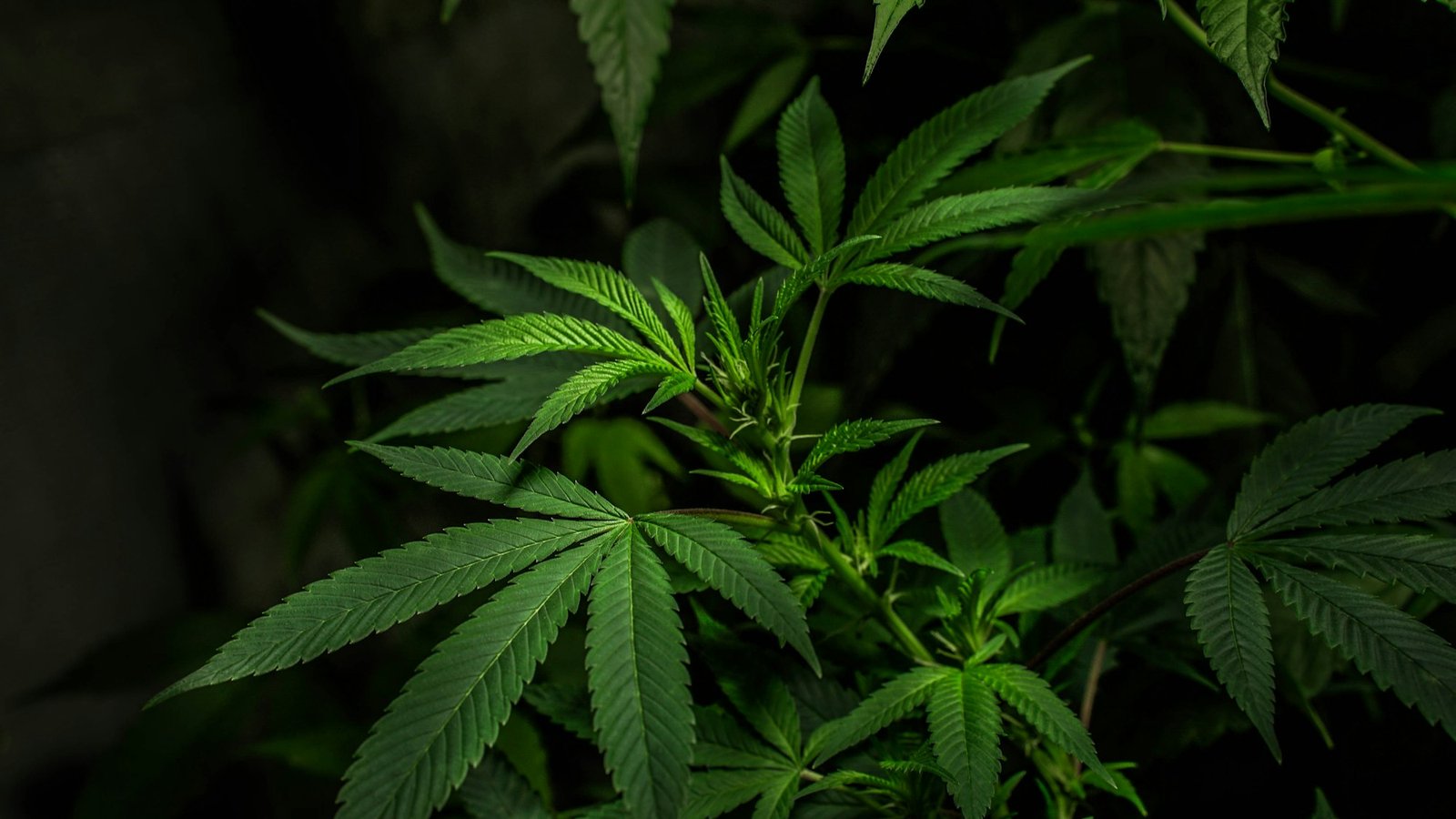
THC vs CBD is one of the first comparisons anyone meets when they start to learn about cannabis. Both are cannabinoids, both come from the same plant, and both appear on labels, menus and product packaging. Yet they are very different compounds: one is intoxicating, the other is not; one is tightly controlled almost everywhere, the other is sold in many countries as a wellness product.
This guide explains the difference in plain language. It covers what cannabinoids are, how THC and CBD interact with the body, how to read the percentages on a label, what “THCA” means, what the rules are in Thailand in 2026, and what everyone should know about safety. It is general information, not medical advice: only a licensed practitioner can advise you on your own situation.
Key takeaways
- THC and CBD are the two best-known cannabinoids, among more than a hundred found in cannabis.
- THC is intoxicating and responsible for the “high”; CBD is not intoxicating.
- Raw flowers contain mostly THCA and CBDA, which turn into THC and CBD when heated.
- In Thailand, cannabis flowers require a prescription, while low-THC CBD products are regulated separately.
- Both can interact with medication. Talk to a practitioner, start low and never drive after using THC.
In this article
What are cannabinoids?
Cannabinoids are a family of chemical compounds. The cannabis plant produces more than a hundred of them, mostly in the tiny resin glands called trichomes that cover its flowers. The two most abundant and best studied are tetrahydrocannabinol, better known as THC, and cannabidiol, better known as CBD.
Other cannabinoids exist in smaller amounts, such as CBG, CBN and CBC, and researchers are studying many of them. But when you look at a label or a menu, THC and CBD are the two figures that matter most, which is why the THC vs CBD comparison is the natural place to start.
Cannabinoids are not the only active compounds in cannabis. The plant also produces terpenes, the aromatic compounds that give each strain its smell. Our guide to cannabis terpenes explains how they differ from cannabinoids.
The endocannabinoid system in one minute
To understand the difference between THC and CBD, it helps to know a little about the endocannabinoid system. This is a signalling system found in the human body and in many animals. It involves receptors, the body’s own cannabinoid-like molecules and the enzymes that make and break them down.
Researchers identified the first cannabinoid receptor, called CB1, around 1990. It is found mainly in the brain and nervous system. A second receptor, CB2, was identified in 1993 and is found mainly in the immune system and other tissues. In 1992, scientists discovered anandamide, the first of the body’s own cannabinoid-like molecules.
The system is involved in many everyday processes, and it is still the subject of intense research. What matters for our comparison is simple: THC and CBD interact with this system in very different ways.
THC in a nutshell
THC, or delta-9-tetrahydrocannabinol, is the main intoxicating compound in cannabis. It was first isolated and described in 1964 by the Israeli chemists Raphael Mechoulam and Yehiel Gaoni, a discovery that opened the modern era of cannabis research.
THC acts mainly on the CB1 receptors in the brain. This is what produces the familiar effects of cannabis: changes in mood and perception, relaxation or euphoria, altered sense of time, increased appetite and, at higher doses, impaired memory, attention and coordination.
THC can also cause unwanted effects, especially at high doses or in people with little experience: anxiety, a racing heart, dizziness, dry mouth, red eyes and, occasionally, paranoia. These effects are one reason why the dose matters so much, and why nobody should ever drive after using THC.
Modern cannabis flowers often contain much more THC than those of a few decades ago. Levels of 15% to 25% are common, and some strains test higher. A higher figure does not mean a better flower, but it does mean a smaller amount can have a strong effect.
CBD in a nutshell
CBD, or cannabidiol, is the second best-known cannabinoid. It was first isolated in 1940, and its chemical structure was described in 1963 by Raphael Mechoulam and Yuval Shvo. Unlike THC, CBD is not intoxicating: it does not produce a high.
CBD interacts with the endocannabinoid system in a more indirect and complex way than THC, and it also acts on other targets in the body. Its effects are the subject of a great deal of research and a great deal of marketing, and the two do not always agree.
What is firmly established is limited. In 2018, the US Food and Drug Administration approved the first medicine made from purified CBD, for seizures associated with two rare and severe forms of childhood epilepsy, as explained by the FDA. Many other uses are being studied, but claims that CBD treats anxiety, pain or insomnia go beyond what the evidence currently shows.
THC vs CBD side by side
Here are the main differences between the two cannabinoids at a glance.
| THC | CBD | |
|---|---|---|
| Intoxicating? | Yes, it produces the high | No |
| Main action | Activates CB1 receptors in the brain | Indirect and varied, still being studied |
| Typical content in flowers | Often 15% to 25% | Usually low in modern flowers, high in hemp |
| Approved medicine | Some THC-based medicines exist in certain countries | One purified CBD medicine for rare epilepsies |
| Effect on driving | Impairs driving: never drive after using THC | Not intoxicating, but products may contain THC |
| Status in Thailand | Controlled: flowers need a prescription | Low-THC products regulated separately |
The table shows why the THC vs CBD question matters in practice. The same plant can produce very different products depending on which cannabinoid dominates, and the rules that apply to each can be completely different.
The raw plant: THCA and CBDA
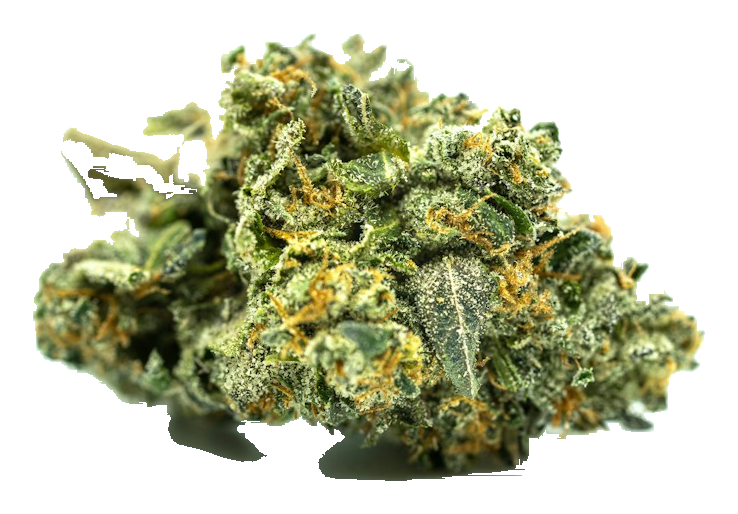
Here is a detail that surprises many people. A fresh or dried cannabis flower contains very little THC or CBD as such. Instead, it contains their acidic precursors, THCA and CBDA. These acids are not intoxicating.
When the flower is heated, the acids lose part of their molecule and turn into THC and CBD. This process is called decarboxylation. It is also why heat is involved in almost every way cannabis is consumed. Leaves, which contain far fewer cannabinoids than flowers, were traditionally used only in small amounts in Thai cooking, as one herb among many.
This is also why many laboratory reports show both THC and THCA. To estimate the total potential THC of a flower, labs usually use a simple formula: total THC equals THC plus 0.877 times THCA. The factor accounts for the part of the molecule lost during decarboxylation. The same logic applies to CBD and CBDA.
How to read THC and CBD on a label
A clear label or product sheet should give you the cannabinoid content of the flower, usually as a percentage of its weight. Here is how to interpret it.
- Look for “total THC” and “total CBD” rather than THC alone, since most of the THC in a raw flower is still in the form of THCA.
- Check the ratio. A flower with 20% THC and less than 1% CBD is THC-dominant. A flower with similar amounts of both is balanced. A flower with high CBD and very little THC is CBD-dominant.
- Consider the dose, not just the percentage. A small amount of a strong flower can have more effect than a larger amount of a mild one.
- Check the date. Cannabinoids slowly degrade over time, especially with heat and light. THC gradually turns into CBN, a milder cannabinoid.
- Ask for the lab report if one is available. It gives a more complete picture than a single figure.
Our guide to cannabis quality explains why a high THC figure alone is not a sign of a great flower.
Other cannabinoids you may see on labels
Beyond the THC vs CBD comparison, laboratory reports and labels sometimes mention other cannabinoids. They are usually present in much smaller amounts.
- CBG (cannabigerol) is sometimes called the “mother cannabinoid”, because the plant uses its acidic form to produce THC and CBD. Some strains are bred to contain more of it.
- CBN (cannabinol) forms mainly when THC ages and oxidises. A high CBN figure can be a sign of an older or badly stored flower.
- CBC (cannabichromene) is present in small amounts in many strains and is being studied by researchers.
- THCV (tetrahydrocannabivarin) is a close relative of THC found in some strains, particularly certain African landraces.
Research on these minor cannabinoids is still at an early stage. Treat any strong claim about their effects with caution, and see them mainly as extra information about a flower’s chemistry and freshness.
THC vs CBD in Thailand: the legal picture
In Thailand, the difference between THC and CBD also has legal consequences. Here is the situation in 2026, based on the current rules and on reporting by the Thaiger.
- Cannabis flowers are a controlled herb. Whatever their THC or CBD content, they can only be supplied to patients with a valid Thai prescription, from licensed premises.
- Extracts containing more than 0.2% THC by weight remain controlled narcotics.
- Low-THC CBD products are regulated separately, and products that meet the THC limits can be sold without a prescription.
- Vapes and e-cigarettes are banned in Thailand, whether they contain nicotine, THC or CBD.
For visitors, two more points matter. First, rules on CBD differ enormously from one country to another, and a product that is legal in Thailand may be illegal at home or in transit. Second, bringing any cannabis product into or out of Thailand can be a serious offence. Our guide on whether weed is legal in Thailand explains the full picture.
Balanced strains and THC:CBD ratios
Most flowers on today’s menus are THC-dominant, because that is what breeders selected for over several decades. Balanced strains, with meaningful amounts of both THC and CBD, are rarer but do exist.
People often assume that CBD “cancels out” the effects of THC. The evidence is mixed. Some studies suggest that CBD may soften certain effects of THC, while others found no clear difference at the ratios found in typical cannabis products. What is clear is that a balanced flower contains less THC than a THC-dominant one of the same weight, which in itself changes the experience.
If you are a patient, the practitioner who prescribes your product is the right person to discuss which ratio suits your situation. Our guide to the PT33 prescription explains how that consultation works.
Safety: what everyone should know
Whether a product is rich in THC, CBD or both, a few safety principles apply to everyone.
- Start low and go slow. Begin with a very small amount and wait before taking more, especially with a product you do not know.
- Be patient with edibles. Products that are eaten can take from 30 minutes to two hours to act, and their effects last longer. Taking more too soon is the most common mistake.
- Avoid alcohol. Combining THC with alcohol can intensify impairment and make you feel unwell.
- Never drive. THC impairs reaction times and judgement. Do not drive a car or ride a scooter after using it.
- Check your medication. Both THC and CBD can interact with medicines, because they are processed by the same liver enzymes as many drugs. Tell the practitioner everything you take.
- Pregnancy and breastfeeding. Cannabis is not supplied to pregnant or breastfeeding women in Thailand.
- Mental health. People with a personal or family history of psychosis should be especially cautious with THC.
- Children and pets. Store all products out of reach, in their labelled packaging.
CBD products: what to watch for
CBD products are sold in many forms, from oils to cosmetics. Their quality varies widely, and labels are not always accurate. A few precautions help.
- Look for a lab report that shows the CBD and THC content of the batch.
- Check the THC content, even in products sold as “CBD”. Some contain traces of THC, and a few contain more than the label suggests.
- Be careful with drug tests. A CBD product that contains THC can cause a positive test for cannabis.
- Be wary of health claims. Serious sellers describe their products; they do not promise cures.
- Check the rules before travelling. CBD that is legal in one country can be illegal in another, including at transit airports.
Common myths about THC vs CBD
- “CBD gets you high.” It does not. If a product labelled as CBD makes you feel high, it probably contains THC.
- “CBD is completely harmless.” It is generally well tolerated, but it can cause side effects and interact with medication.
- “More THC means better quality.” Aroma, freshness, cure and cleanliness matter as much as the THC figure.
- “Indica means more CBD.” The indica or sativa label says very little about cannabinoid content, as we explain in our article on indica vs sativa.
Frequently asked questions
What is the main difference between THC and CBD?
THC is intoxicating and produces the high associated with cannabis, mainly by activating CB1 receptors in the brain. CBD is not intoxicating and acts on the body in more indirect ways.
Can CBD make you fail a drug test?
It can, if the product contains THC. Many CBD products contain traces of THC, and some contain more than their label states.
Is CBD legal in Thailand?
Low-THC CBD products are regulated separately from cannabis flowers and can be sold without a prescription when they meet the THC limits. Cannabis flowers themselves require a prescription.
Does CBD cancel out the effects of THC?
The evidence is mixed. Some studies suggest CBD may soften some effects of THC, but others found no clear difference at typical ratios. Do not rely on CBD to make a strong THC product safe.
What is THCA?
THCA is the acidic form of THC found in raw cannabis flowers. It is not intoxicating, but it turns into THC when heated. That is why labels often show a total THC figure calculated from both THC and THCA.
Which is better, THC or CBD?
Neither is better in general. They are different compounds with different effects and rules. For any medical question, the right person to ask is a licensed practitioner.
Sources
- FDA regulation of cannabis and cannabis-derived products, including CBD, US Food and Drug Administration.
- Tetrahydrocannabinol and Cannabidiol, Wikipedia, for the history of their discovery.
- Cannabis in Thailand 2026: how dispensaries are adapting to the medical-only rules, the Thaiger, August 2026.
Last updated: September 2026. This article is general information, not medical advice. Only a licensed practitioner can advise you on whether cannabis is appropriate for you. In Thailand, cannabis flowers may only be supplied with a valid prescription.