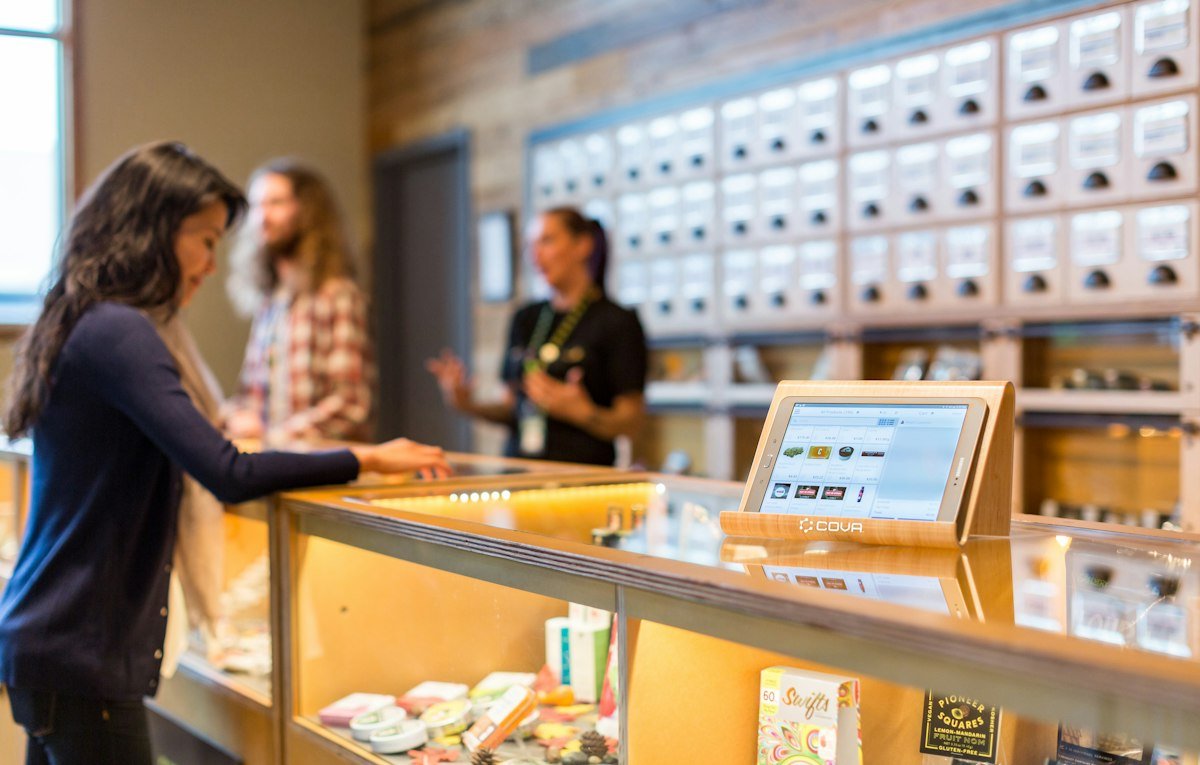
If you have read anything about cannabis in Thailand since mid-2025, you have probably come across the term PT33 prescription. It is the document that now stands between a patient and a legal purchase of cannabis flowers. Without it, a licensed business may not supply flowers at all. With it, a patient can obtain a precise quantity, for a limited period, from licensed premises.
This guide explains what a PT33 prescription is, who can issue one, which conditions can qualify, how the consultation works and what visitors to Koh Samui should know before they walk into a clinic or dispensary. It is written for curious travellers as much as for patients, because understanding the system is the best way to avoid mistakes.
Key takeaways
- A PT33 prescription is the official Thai form a licensed practitioner uses to prescribe cannabis flowers to a patient.
- It states the product, the quantity and the length of treatment, which can never exceed 30 days.
- Since September 2025, flowers may only be prescribed for five conditions, and only after a genuine medical assessment.
- Tourists can be assessed like anyone else, but foreign medical cards and prescriptions are not accepted in Thailand.
- A service that promises a guaranteed prescription with no real consultation is a red flag.
In this article
What is a PT33 prescription?
PT33, sometimes written “Phor Thor 33”, is the name of the official form used in Thailand to prescribe cannabis as a controlled herb. It sits within the framework of Thai traditional medicine law, which is why the Department of Thai Traditional and Alternative Medicine plays a central role in overseeing it.
The form is patient-specific. It names you, the prescribing practitioner, the product, the quantity and the duration of treatment. It is not a membership card, a licence or a general permission to buy cannabis. Think of it as the cannabis equivalent of a prescription for a medicine: valid for one person, one treatment and one period.
A licensed dispensary must see a valid PT33 prescription before it supplies cannabis flowers, and it must keep a record of the prescription and the sale. That record is what makes the whole system traceable, from the certified farm to the patient.
Why Thailand introduced the PT33 system
Between 2022 and mid-2025, cannabis flowers were sold widely in Thailand with very few conditions. Thousands of shops opened, many of them aimed squarely at tourists, and concerns grew about recreational use, young people and public nuisance.
In mid-2025 the Ministry of Public Health reclassified cannabis flowers as a controlled herb and made a prescription mandatory. In September 2025 it went further, narrowing the list of conditions for which flowers can be prescribed and limiting every prescription to 30 days. In 2026, licensed dispensaries were also required to have a qualified practitioner on site.
The PT33 prescription is the practical tool that makes this medical-only framework work. It turns each purchase into a documented medical decision rather than a simple retail sale. You can read more about the wider changes in our guide to whether weed is legal in Thailand.
Who can issue a PT33 prescription?
Only licensed and authorised practitioners can prescribe medical cannabis. According to an analysis by the law firm Tilleke & Gibbins, seven professions may do so:
- medical doctors;
- Thai traditional medicine practitioners;
- applied Thai traditional medicine practitioners;
- traditional Chinese medicine practitioners;
- pharmacists;
- dentists;
- folk healers recognised under Thai law.
Each practitioner must hold a valid licence for their profession and be authorised to prescribe cannabis. The authorities have also organised training for practitioners on the new rules. A prescription signed by someone who does not meet these conditions is not a valid PT33 prescription.
Since January 2026, licensed dispensaries must have a qualified practitioner physically present, able to carry out consultations and issue prescriptions on site. In practice, this means many patients now meet the practitioner and collect their medical cannabis in the same place.
Which conditions can qualify?
As reported by Nation Thailand in September 2025, the Ministry of Public Health limited the prescription of cannabis flowers to five conditions:
- insomnia;
- chronic pain;
- migraines;
- Parkinson’s disease;
- loss of appetite.
It is important to read this list correctly. It does not mean that anyone who mentions trouble sleeping is automatically entitled to a PT33 prescription. The practitioner must assess you, take your medical history into account and decide whether medical cannabis is appropriate, safe and proportionate for you. They may also decide that it is not, for example because of your age, other medication you take, pregnancy or a history of mental health problems.
We do not give medical advice on this website, and nothing in this article should be read as a suggestion that cannabis will help any particular condition. That judgement belongs to a licensed practitioner who has examined you.
How a PT33 consultation works, step by step
Every clinic organises things slightly differently, but a legitimate consultation generally follows the same steps.
- Identification. You show an identity document, usually your passport if you are a visitor. The practitioner needs to know exactly who the prescription is for.
- Health questionnaire. You describe your symptoms, your medical history, any medication or supplements you take and any previous experience with cannabis.
- Assessment. The practitioner asks questions, may check basic health indicators and considers whether your condition is one for which cannabis can be prescribed.
- Decision. The practitioner decides whether to prescribe. A refusal is a normal outcome of a medical consultation, not a failure of the system.
- Prescription. If cannabis is prescribed, the PT33 prescription records the product, the quantity and the duration, up to 30 days.
- Dispensing. A licensed dispensary supplies the prescribed product and records the sale against your prescription.
- Advice. You should receive guidance on how to use the product, how to store it and what to avoid, such as driving.
The whole process should feel like a short medical appointment, because that is what it is. If it feels like a formality designed to speed you towards the till, something is wrong.

What to bring to your consultation
A little preparation makes the consultation easier for you and for the practitioner.
- Your passport or ID card. Photocopies may not be accepted.
- A list of your medication, including supplements, sleeping aids and anything you take for anxiety, blood pressure or pain. Cannabis can interact with some medicines.
- Relevant medical documents, if you have any, such as a letter from your own doctor describing your condition. They do not replace the Thai assessment, but they help the practitioner.
- Honest answers. Mention pregnancy or breastfeeding, heart problems and any personal or family history of mental health issues.
- Time. Do not book a consultation ten minutes before your ferry.
How long a PT33 prescription lasts and what it covers
A PT33 prescription covers a maximum of 30 days of treatment. The practitioner sets the exact duration and the quantity, which must be consistent with that duration. A licensed business may not supply more than the prescription allows.
When the prescription ends, it ends. If you still need medical cannabis after that, you need a new consultation and, if the practitioner agrees, a new PT33 prescription. The same applies if you lose the document: talk to the prescribing practitioner rather than trying to buy without it.
Keep the prescription with your medical cannabis. The product should stay in its original, labelled packaging, so that you can show, if ever asked, that it was obtained legally and in the quantity prescribed.
Can tourists get a PT33 prescription?
Yes. Visitors are assessed in the same way as residents, and there is no special tourist version of the PT33 prescription. What matters is the medical assessment, not your nationality.
Two points are essential for visitors. First, a medical cannabis card or prescription from your home country, whether from Canada, Germany, Australia or a US state, has no legal value in Thailand. Only a Thai prescription counts. Second, a Thai prescription has no legal value anywhere else. It does not allow you to take cannabis on an international flight, and taking cannabis out of Thailand is a serious offence.
If you are staying on Koh Samui and would like to understand how the process works in practice before your visit, you can ask our team. We are happy to explain the steps, although only a licensed practitioner can assess you.
Remote consultations and prescription tracking
Some licensed practitioners offer consultations by video call, and the authorities are linking prescriptions to a national system designed to prevent the same patient from collecting several prescriptions at once. The rules on remote consultations can differ from one type of practitioner to another, so ask the clinic how it works before you book.
Whether the consultation is in person or remote, the principles are the same: a real assessment, a patient-specific PT33 prescription, a maximum of 30 days and a licensed place to collect the product. A remote service that never asks you a single medical question is not offering a legitimate consultation.
Using your medical cannabis responsibly
A PT33 prescription allows you to obtain and use cannabis for a medical purpose. It does not change the rules on where and how you use it.
- Private places only. Smoking or vaping in public is not allowed, and fines for public nuisance can reach 25,000 baht.
- Respect your accommodation. Many hotels, resorts and villas on Koh Samui ban smoking indoors, and some ban cannabis entirely.
- Never drive. Do not drive a car or ride a scooter after using cannabis.
- Do not share. Your prescribed cannabis is for you. Giving or selling it to someone else takes it outside the rules.
- Follow the dose. Start with the smallest amount recommended, especially if you have little experience or are taking other medication.
- Store it safely. Keep it away from children and out of the heat. Our guide on how to store cannabis in the tropics explains how.
Red flags: when a prescription is not what it seems
The PT33 system is new, and not every business has adapted honestly. Walk away if you notice any of the following.
- A “prescription” is offered without any questions about your health.
- The practitioner is absent, unnamed or unwilling to show their licence.
- You are encouraged to invent symptoms or to choose a condition from a list.
- The quantity offered is larger than your prescription, or the product has no label.
- Flowers are offered through social media, a delivery app or a website. Online sales of cannabis flowers are banned.
- A business suggests that you can take cannabis home “because you have a prescription”.
Using a service like this puts you at risk. The product may not be traceable, the prescription may not be valid, and you remain responsible for what you buy and carry.
Questions to ask the practitioner
A consultation is a two-way conversation. Asking the right questions helps you understand what is being prescribed and why.
- Why do you think medical cannabis is, or is not, appropriate for me?
- Which product are you prescribing, and what is its THC and CBD content?
- How much should I use, how often, and how long will the effects last?
- Can it interact with the medication or supplements I take?
- What should I avoid while using it, for example alcohol or driving?
- What should I do if I feel unwell or the effects are stronger than expected?
- How should I store the product in this climate?
A good practitioner will welcome these questions. If the answers are vague or rushed, take that into account before you go ahead.
A short glossary of Thai medical cannabis terms
The vocabulary of the new rules can be confusing, especially for visitors. Here are the terms you are most likely to meet.
- PT33: the official form used to prescribe cannabis as a controlled herb. A PT33 prescription is patient-specific and lasts up to 30 days.
- Controlled herb: the legal category of cannabis flowers since mid-2025. Controlled herbs can only be supplied under specific conditions.
- DTAM: the Department of Thai Traditional and Alternative Medicine, part of the Ministry of Public Health, which oversees controlled herbs.
- GACP: Good Agricultural and Collection Practices, the certification that farms supplying licensed premises must hold.
- Licensed premises: the medical facilities, pharmacies, herbal retailers and traditional healers’ workplaces allowed to supply cannabis.
- THC and CBD: the two best-known cannabinoids. THC is intoxicating, CBD is not. Our guide to THC vs CBD explains the difference.
Knowing these words makes it much easier to follow what the practitioner and the dispensary team explain to you, and to spot information that is out of date.
PT33 prescription or foreign medical card?
Visitors often ask how the Thai system compares with the medical cannabis programmes they know from home. The short version is that they do not connect at all.
| Question | Thai PT33 prescription | Foreign medical card or prescription |
|---|---|---|
| Valid in Thailand? | Yes, at licensed premises | No |
| Who issues it? | A licensed, authorised practitioner in Thailand | A doctor or authority abroad |
| How long does it last? | A maximum of 30 days | Depends on the country |
| Can it cover travel abroad? | No | Not for bringing cannabis into Thailand |
Frequently asked questions
Is a PT33 prescription the same as a medical cannabis card?
No. A medical card, as used in some countries, is a long-term registration. A PT33 prescription is a single, patient-specific prescription for a defined product, quantity and period of up to 30 days.
Can I use my prescription from home in Thailand?
No. Only prescriptions issued by licensed practitioners in Thailand are valid. Bringing cannabis into Thailand, even with a foreign prescription, is illegal.
How much does a PT33 consultation cost?
Fees are set by each clinic or practitioner and vary. Ask for the price of the consultation before it starts, and be wary of offers that bundle a “guaranteed” prescription with a product.
Can a practitioner refuse to prescribe?
Yes. A PT33 prescription is a medical decision, and the practitioner may decide that cannabis is not appropriate for you. Respect that decision rather than looking for someone who will prescribe without a real assessment.
Can I get a PT33 prescription online?
Some licensed practitioners offer remote consultations, but the product itself must be collected from licensed premises. Online sales of cannabis flowers are not allowed.
Does a PT33 prescription let me smoke anywhere?
No. Public consumption remains prohibited, and private places such as hotels can set their own rules. A prescription is not a licence to use cannabis in public.
Sources
- Department of Thai Traditional and Alternative Medicine, Ministry of Public Health.
- Thai Health Ministry tightens medical cannabis rules, Nation Thailand, September 2025.
- Thailand’s cannabis reset: dispensaries to clinics, Tilleke & Gibbins, January 2026.
- Cannabis in Thailand 2026: how dispensaries are adapting to the medical-only rules, the Thaiger, August 2026.
Last updated: September 2026. This article is general information, not legal or medical advice. Only a licensed practitioner can decide whether medical cannabis is appropriate for you. Rules change often: check the latest official information before you act.