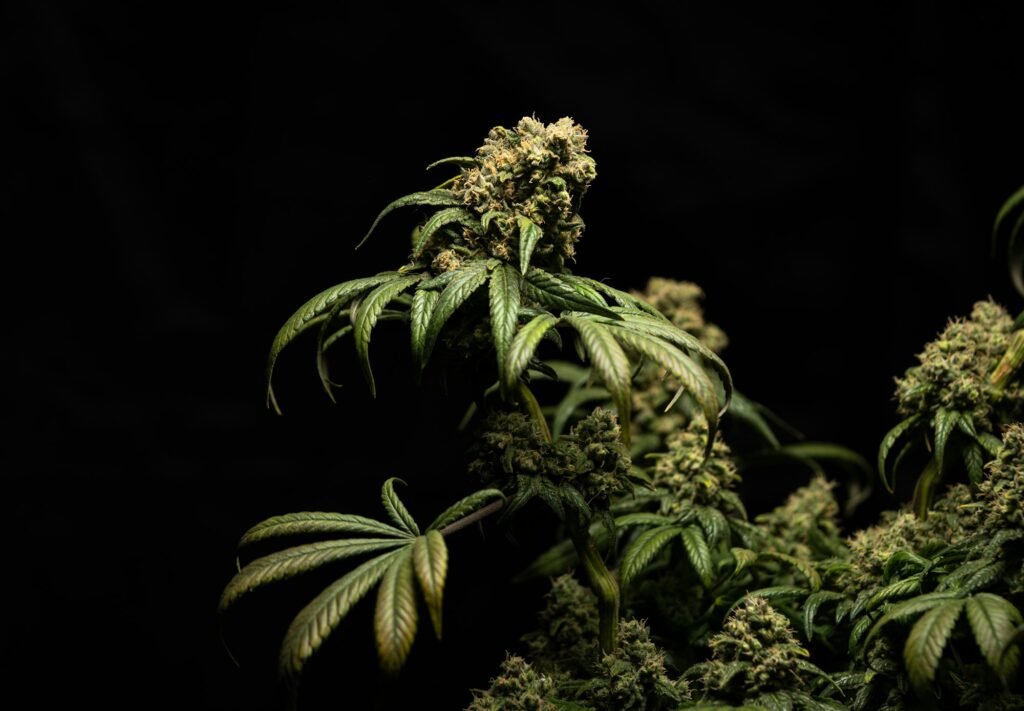
Cannabis quality is not a mystery, and you do not need to be an expert to recognise a great flower. Experienced budtenders and growers look at the same handful of signs every time: the resin on the flower, its structure and trim, its colour, its aroma, its moisture and its cleanliness. Once you know what to look for, you can tell the difference between an everyday flower, a top-shelf one and one you should not use at all.
This guide explains the nine signs that matter, what a high THC figure does and does not tell you, how dispensary menus organise flowers into grades, and the red flags that should make you walk away. It is written for visitors to Koh Samui, but the principles apply anywhere. Remember that in Thailand, cannabis flowers may only be supplied to patients with a valid prescription.
Key takeaways
- Cannabis quality depends on genetics, growing, harvest timing, drying, curing and storage, not on THC alone.
- Look for healthy trichomes, a careful trim, natural colours and a strong, pleasant aroma.
- A good flower is dry enough for small stems to snap, but never crumbly or dusty.
- Mould, pests, seeds and a hay-like smell are signs of poor quality.
- In Thailand, licensed premises must source flowers from GACP-certified farms and label them clearly.
In this article
What cannabis quality really means
When people talk about quality, they often mean strength. But a strong flower can still be a poor one: harsh, badly dried, old or even contaminated. Real cannabis quality is a combination of several things.
- Safety: the flower is clean, free from mould, pests and residues.
- Integrity: it has been harvested at the right time, dried slowly and cured properly, so it keeps its cannabinoids and aroma.
- Character: it has a distinctive, intense and pleasant aroma and flavour.
- Presentation: it is carefully trimmed, well structured and handled with care.
- Consistency and honesty: it matches its label, from the strain name to the cannabinoid content.
The nine signs below cover all of these dimensions. None of them is enough on its own, but together they give a reliable picture.
1. Trichomes: the frost that matters
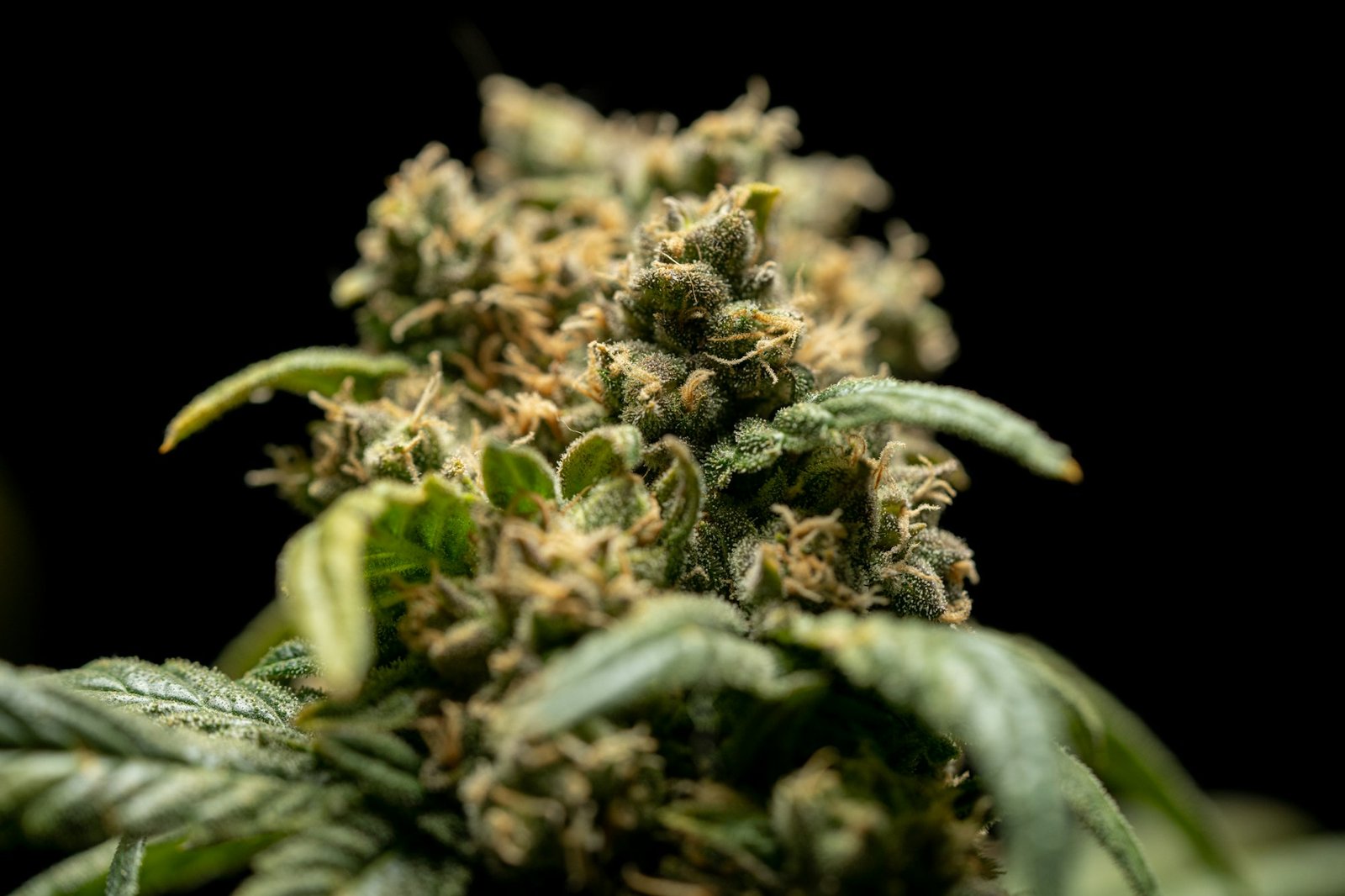
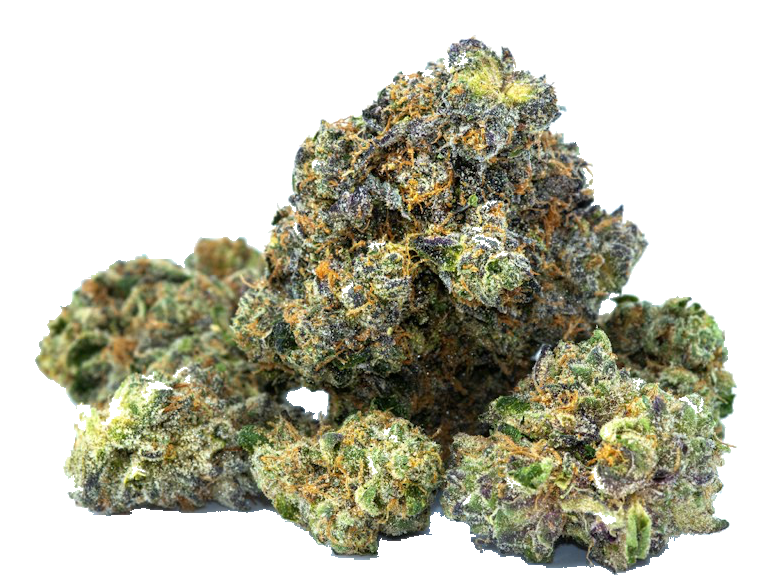
Look closely at a high-quality flower and you will see that it sparkles, as if dusted with frost. That frost is made of trichomes, tiny resin glands that produce the plant’s cannabinoids and terpenes. A dense, healthy layer of trichomes is one of the clearest signs of cannabis quality.
With a magnifying lens, or the macro mode of a phone camera, you can see that each trichome looks like a tiny mushroom with a round head. Growers watch these heads change colour as the plant matures: clear at first, then milky, then amber. Harvesting at the right moment is part of what makes a great flower.
Trichomes are fragile. Rough handling, machine trimming and warm storage can knock them off or degrade them. A flower that looks dull, with few visible trichomes, has usually lost some of its potential.
2. Bud structure and trim
The structure of a flower depends partly on its genetics. Strains with a strong indica heritage usually form dense, compact flowers, while sativa-type strains often grow longer, airier ones. Neither is a defect in itself, as we explain in our guide to indica vs sativa.
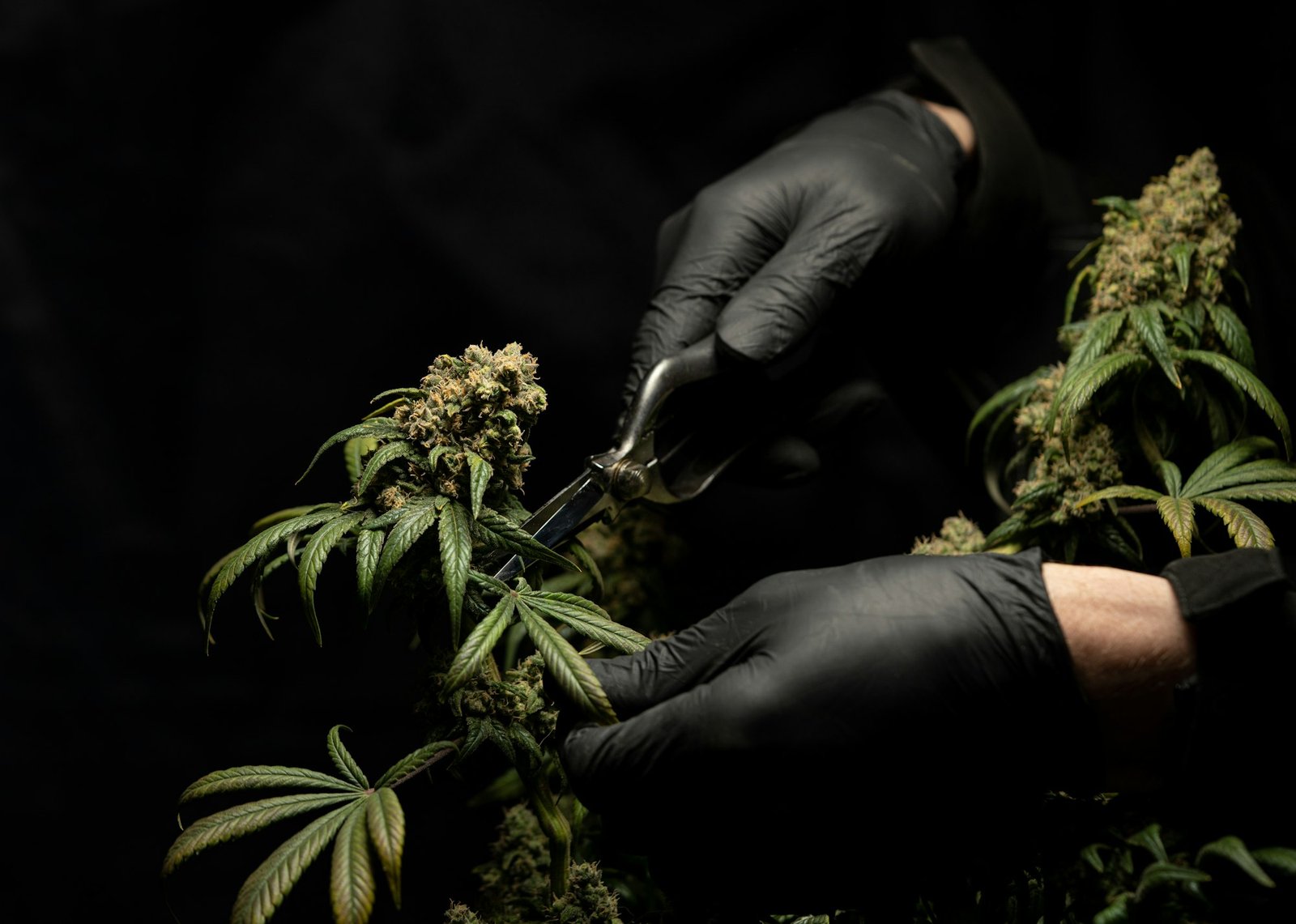
What does matter is the trim. On a high-quality flower, the leaves around the buds have been removed carefully, leaving the flower itself intact. Hand-trimmed flowers usually look neater and keep more of their trichomes than machine-trimmed ones. Too many leaves left on a flower add bulk, a grassy taste and a harsher smoke.
Look at the ratio of flower to leaf. The more of the weight is made of flower rather than leaf and stem, the better.
3. Colour
A healthy flower shows natural, vibrant colours. Most are shades of green, from light lime to deep forest green, with orange, red or brown hair-like pistils. Some strains also develop purple or blue hues, caused by natural pigments called anthocyanins, which some plants produce in cooler conditions.
Colour also changes with time. A flower that was bright green when it was packed can fade and turn slightly brown after months of poor storage, especially in the light. That is one reason why the packaging date matters as much as the strain name.
Colours that should worry you are different: a dull brown or yellow overall, grey patches, dark spots or a washed-out look. These can point to poor growing conditions, age, bad storage or mould.
4. Aroma
Aroma is one of the best quality tests there is, and you do not need any equipment to use it. A great flower has an intense, complex and pleasant smell as soon as the jar is opened: citrus, pine, fruit, spice, earth or fuel, depending on the strain.
A weak smell usually means the flower is old or has been stored badly. A smell of hay or freshly cut grass usually means it was dried too fast or not cured properly, leaving chlorophyll behind. A musty, damp or mouldy smell is a warning sign, and a flower that smells that way should not be used.
The aroma comes mainly from terpenes, which we explain in our guide to cannabis terpenes.
5. Moisture and cure
After harvest, flowers are dried slowly and then cured, usually for several weeks, in sealed containers that are opened from time to time. A good cure improves the aroma and makes the smoke smoother.
You can check the result with a simple test: a small stem in the flower should snap cleanly rather than bend. If it bends, the flower is too wet, which risks mould. If the flower crumbles into dust when you touch it, it is too dry and has probably lost much of its aroma.
The ideal is in between: a flower that feels slightly springy, holds together and releases its aroma when gently broken.
6. Cleanliness: no mould, pests or seeds
This is the most important sign, because it concerns your health.
- Mould can look like white or grey fuzz, a powdery white coating, or dark spots inside the flower. It often smells musty. Some moulds that grow on cannabis, such as certain species of Aspergillus, can be harmful, especially for people with weakened immune systems.
- Pests can leave webbing, tiny dots or damaged areas on the flowers.
- Seeds mean the plant was pollinated. Seeded flowers are generally considered lower quality, as the plant spent energy producing seeds rather than resin.
- Foreign material such as hair, dust or sand should never be present.
If you see any of these signs, do not use the flower. A good dispensary will never supply flowers in this condition.
7. Freshness and storage
Even a perfect flower loses quality over time. Heat, light and air slowly degrade its cannabinoids and make its terpenes evaporate. THC gradually turns into CBN, a milder cannabinoid, and the aroma fades.
That is why the harvest or packaging date matters, and why good dispensaries store their flowers in closed containers, away from light and heat. On a tropical island like Koh Samui, storage is even more important, because heat and humidity work fast. Our guide on how to store cannabis explains how to protect your flowers once you have them.
8. Sourcing and certification
Where a flower comes from says a lot about it. In Thailand, licensed premises must source their flowers from farms certified to Good Agricultural and Collection Practices, known as GACP. The standard, based on principles promoted by the World Health Organization for medicinal plants, covers cultivation, harvesting, hygiene and traceability.
Certification does not guarantee that every flower is exceptional, but it does mean that the farm follows recognised standards and that the flower can be traced. That is a basic condition of quality and safety.
Do not hesitate to ask which farm a flower comes from and when it was harvested. A serious business will be able to answer.
9. Honest labelling and consistency
The last sign is about trust. A high-quality product is labelled clearly and honestly: the strain name, its type, its THC and CBD content, the dates and the weight. The flower in the jar should match the description, and repeat purchases of the same product should be consistent.
Be cautious with extraordinary claims. A label that promises record-breaking THC, or effects that sound like a medicine, is usually marketing rather than information. Our guide to THC vs CBD explains how to read cannabinoid figures.
How menus grade flowers: from everyday to top-shelf
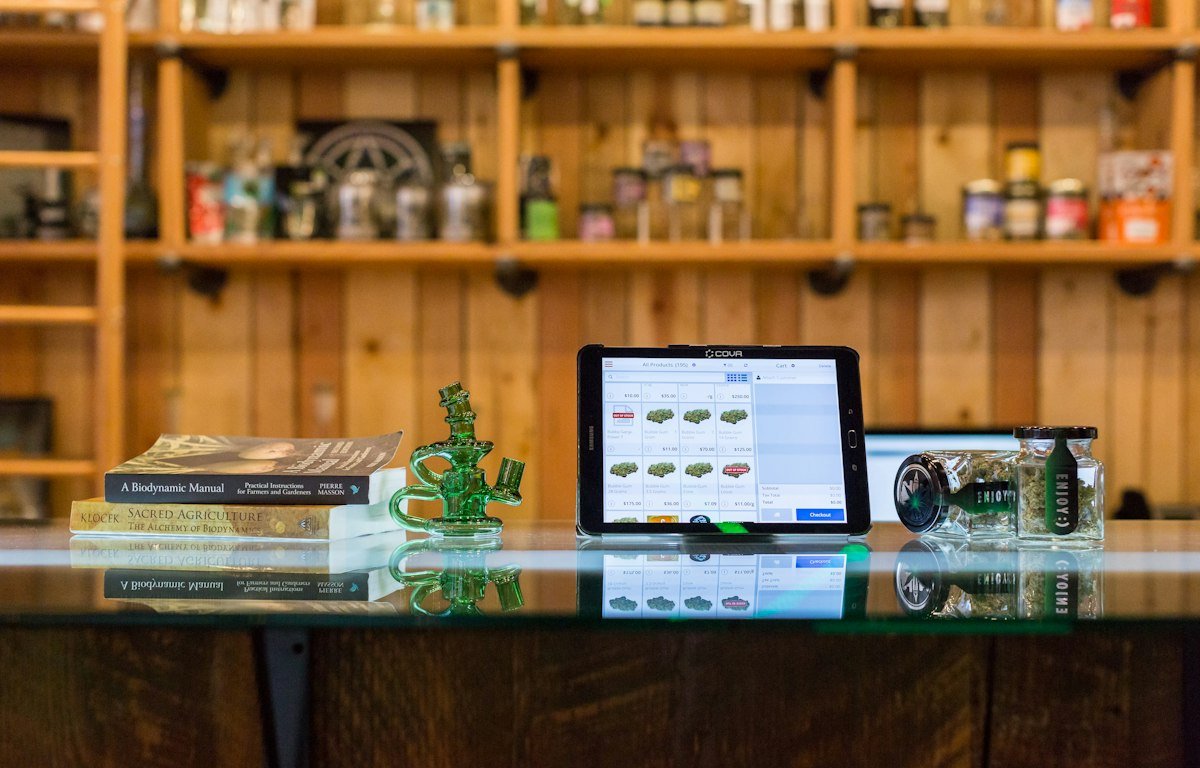
Most dispensaries group their flowers into grades or tiers. There is no universal standard, but the logic is usually the same: the higher the tier, the more carefully selected the flowers are, with better structure, more trichomes, a more intense aroma and, often, rarer genetics.
On our own menu, flowers are organised into five tiers, from Select to Prime. Everyday favourites sit in the first tiers, while the top tiers are reserved for small-batch and exotic cuts with the most bag appeal and the most intense aromas. A higher tier does not simply mean more THC: it reflects the overall quality of the flower.
Grades are a useful shortcut, but they are no substitute for your own eyes and nose. Two flowers in the same tier can suit different people, and a good budtender will help you compare them.
Indoor, greenhouse or outdoor?
Where a plant is grown affects its character, but not always in the way people think.
Indoor growing gives the grower full control over light, temperature, humidity and nutrients. It often produces dense, frosty, visually impressive flowers, and it protects plants from pests and weather.
Greenhouse growing uses natural sunlight with some control over the environment. It can produce excellent flowers with a lower environmental footprint.
Outdoor growing depends on the climate. In a hot, humid country like Thailand, outdoor plants face strong sun, heavy rain and a high risk of mould, which makes consistent quality harder to achieve.
In the end, the skill of the grower matters more than the method. A well-run greenhouse can outperform a badly run indoor room.
Price and quality: what you are really paying for
Higher grades usually cost more, and it is fair to ask what the difference in price pays for. In most cases, it reflects the cost of producing and selecting the flowers: rarer genetics, smaller batches, more careful growing, hand trimming, a longer cure and stricter selection, with only the best-looking flowers making it into the top tier.
What price should not pay for is strength alone, clever names or packaging. A more expensive flower should look better, smell better and be fresher than a cheaper one. If it does not, the price is not telling you much about quality.
Whatever the grade, ask about the price per gram before a product is dispensed, and never let a price comparison push you beyond what your prescription allows.
Questions to ask about a flower’s quality
A good budtender will be happy to answer questions like these, and the answers tell you a lot about the flower in front of you.
- When was this flower harvested, and how long was it cured?
- Was it trimmed by hand or by machine?
- Which farm grew it, and is the farm GACP-certified?
- What are its THC and CBD content and its dominant terpenes?
- How has it been stored since it arrived?
Clear, precise answers are a good sign. Vague answers, or answers that only talk about strength, suggest that the business pays less attention to quality than it should.
Red flags checklist
Before you accept a flower, run through this quick checklist. If you tick any of these boxes, ask questions or walk away.
- A musty, damp or mouldy smell.
- White fuzz, powdery coating, grey patches or dark spots.
- Seeds, webbing, dust or foreign material.
- A smell of hay or grass rather than a clear aroma.
- Flowers that crumble into dust, or that feel spongy and wet.
- No label, no dates and no information about the origin.
- Flowers offered without a prescription, or through social media.
How to inspect a flower in a dispensary
A good dispensary is happy to let you look closely before you decide. Here is a simple routine.
- Look at the flower in good light. Check the trichomes, the trim, the colours and the structure.
- Smell the jar. Note the intensity and the character of the aroma, and any hint of mustiness.
- Ask about the strain, the farm, the harvest date and the THC and CBD content.
- Compare two or three flowers side by side. Differences are much easier to see in comparison.
- Decide within your prescription, based on quality rather than on the THC figure alone.
Do not touch flowers without being invited to: handling damages trichomes, and hygiene matters in a medical setting.
Frequently asked questions
Does a higher THC percentage mean better cannabis quality?
No. THC is only one factor. A flower with a high THC figure can still be badly dried, old or harsh, while a flower with moderate THC can be excellent. Aroma, freshness, cure and cleanliness matter just as much.
How can I tell if cannabis is mouldy?
Look for white or grey fuzz, a powdery coating or dark spots, and trust your nose: a musty, damp smell is a warning sign. Never use a flower that might be mouldy.
Is indoor cannabis always better than outdoor?
Not always. Indoor growing offers more control and often more visual appeal, but a skilled grower can produce excellent greenhouse or outdoor flowers. The grower’s skill matters more than the method.
What does top-shelf mean?
It refers to the highest grade on a dispensary’s menu: carefully selected flowers with excellent structure, abundant trichomes and an intense aroma, often from rarer genetics.
Can I look at a flower before it is dispensed?
In a good dispensary, yes. Staff can show you the flowers in their jar so you can check their appearance and aroma. Ask before touching anything: handling damages trichomes, and hygiene matters in a medical setting.
Why does my weed smell like hay?
Usually because it was dried too quickly or not cured properly, leaving chlorophyll in the flower. It is a sign of lower quality rather than a safety problem, as long as there is no mould.
Sources
- WHO guidelines on good agricultural and collection practices (GACP) for medicinal plants, World Health Organization.
- Cannabis in Thailand 2026: how dispensaries are adapting to the medical-only rules, the Thaiger, August 2026.
- Aspergillosis, US Centers for Disease Control and Prevention, on the health risks of mould.
Last updated: September 2026. This article is general information, not medical advice. In Thailand, cannabis flowers may only be supplied with a valid prescription.