A Koh Samui dispensary in 2026 is a very different place from the cannabis shops many travellers remember from a few years ago. Since Thailand brought cannabis flowers back under medical control in mid-2025, licensed businesses on the island have had to reorganise around consultations, prescriptions and records. Some adapted, many closed, and the ones that remain look and feel more like clinics than boutiques.
If you are planning to visit one during your stay, this guide tells you what to expect, step by step: what to bring, how the visit works, how to read a label, which questions to ask and which island rules to respect afterwards. It is practical information, written from Koh Samui, for visitors who want to do things properly.
Key takeaways
- A licensed Koh Samui dispensary may only supply cannabis flowers to patients with a valid Thai prescription.
- Since January 2026, a qualified practitioner must be present on site to carry out consultations.
- Bring your passport, a list of your medication and enough time for a short medical conversation.
- A good label shows the strain, its type, cannabinoid content, dates and origin.
- After your visit: private use only, no driving, and nothing in your luggage when you leave Thailand.
In this article
How dispensaries on Koh Samui changed in 2025 and 2026
Between 2022 and mid-2025, it was easy to find cannabis on Koh Samui. Shops opened along the beach roads of Chaweng and Lamai, in Bophut and around Fisherman’s Village, and most of them sold flowers to adults much as a bar sells drinks. Then the rules changed.
In mid-2025, cannabis flowers were reclassified as a controlled herb, and a prescription became mandatory for every purchase. In September 2025, prescriptions were limited to 30 days and to a short list of conditions. In January 2026, licensed businesses were required to have a qualified practitioner physically present, and in April 2026 licensed premises were limited to medical facilities, pharmacies, herbal retailers and the workplaces of traditional healers.
The result, across Thailand, was a sharp contraction. According to the Thaiger, only about 15% of the licences that expired in 2025 were renewed. On an island like Koh Samui, that means fewer places, but places that are organised to work within the rules. Our guide to whether weed is legal in Thailand explains the full legal background.
What a licensed Koh Samui dispensary looks like today
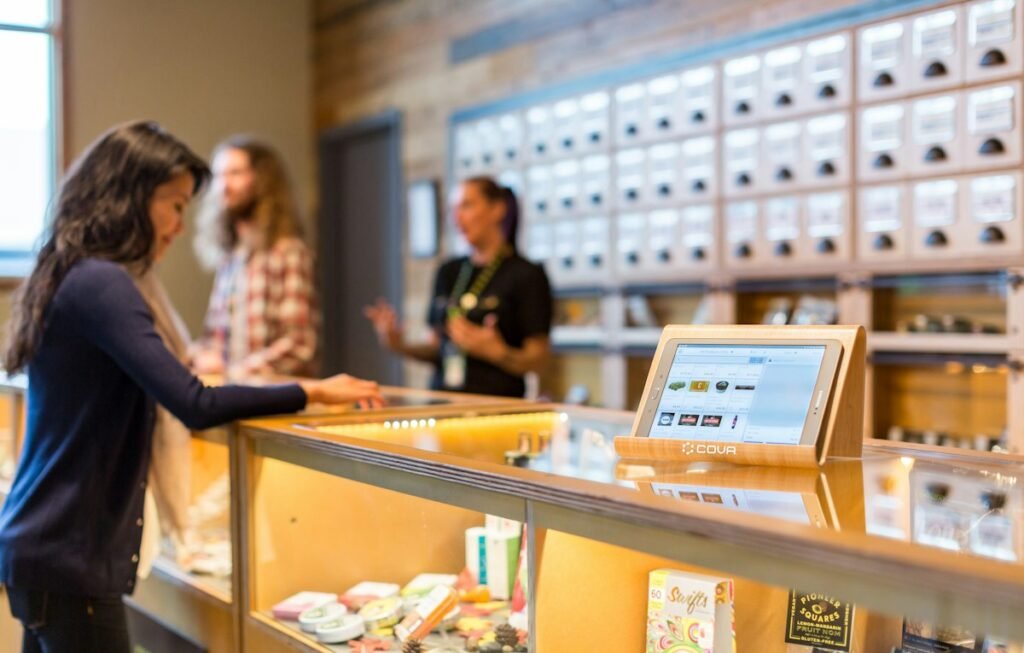
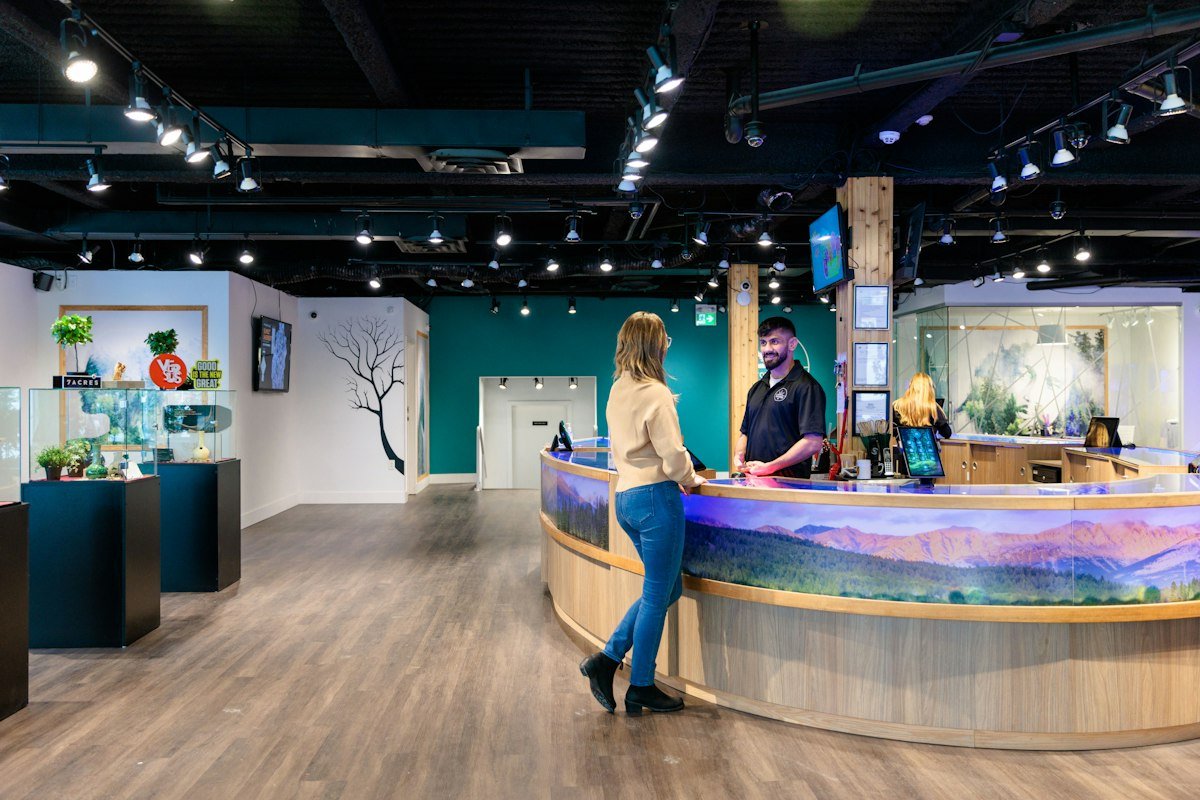
The first thing you will notice is the reception. A licensed dispensary is expected to identify every patient, so you will usually be greeted, asked for identification and, if you do not already hold a prescription, invited to see the practitioner.
Expect a calm, clean space rather than a lounge. Products are stored in closed containers, often glass jars or sealed packs, and away from direct sunlight. There may be a consultation room or a quieter corner for the medical conversation. Staff should be able to tell you who the practitioner on duty is.
What you should not expect is a party atmosphere, loud music and smoking on the premises. Licensed businesses must control smoke and odour, and consumption on site is not part of a legitimate medical visit.
Before you go: what to bring
A few minutes of preparation will make the visit smoother.
- Your passport. Licensed premises must identify every patient. A photo on your phone may not be accepted.
- A list of your medication and supplements. The practitioner needs it to assess possible interactions.
- Any medical documents that describe your condition, if you have them. They do not replace the Thai assessment but can help.
- Time. Allow at least half an hour for the consultation and the dispensing.
- Realistic expectations. A consultation can end without a prescription. That is part of a genuine medical process.
If you have questions before you come, you can contact our team and we will explain how the process works in practice.
Step by step: your visit to a licensed dispensary
Every business organises its visits a little differently, but the sequence below is typical of a licensed dispensary in 2026.
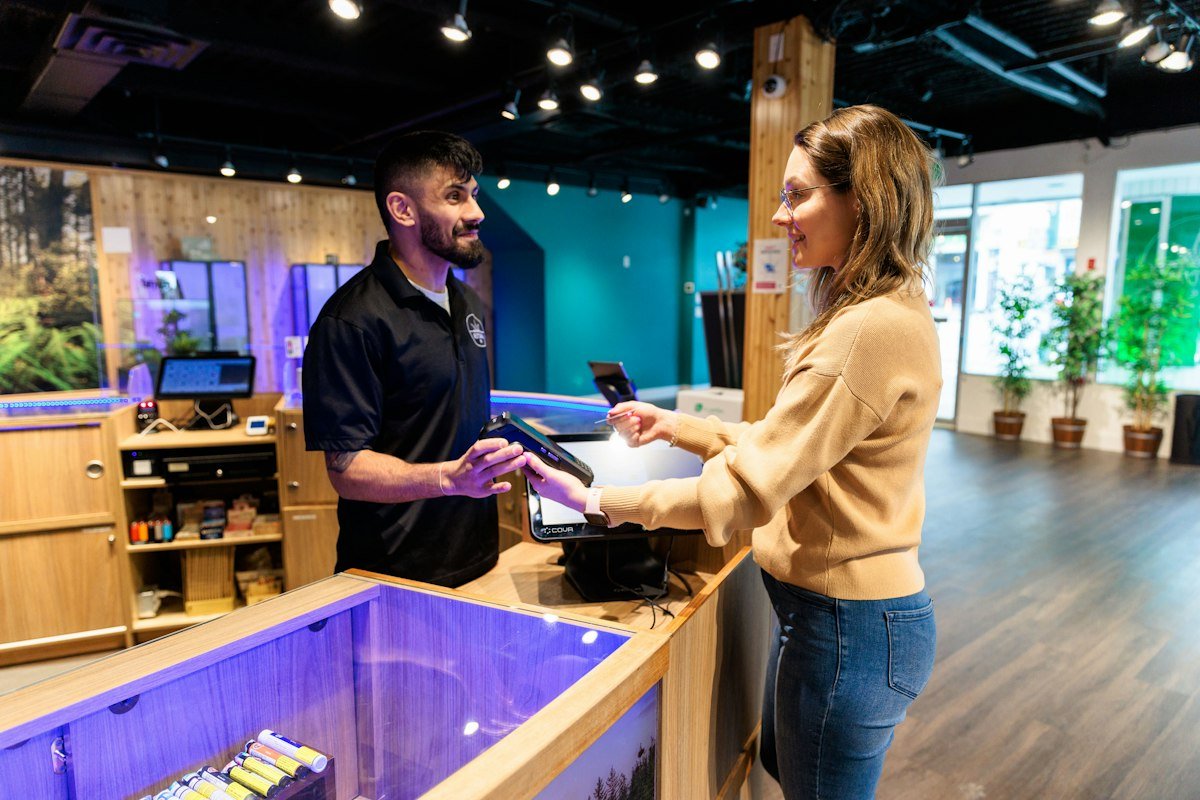
- Welcome and identification. You show your passport and are registered as a patient.
- Consultation. A qualified practitioner asks about your health, your symptoms, your medication and your experience with cannabis.
- Decision. The practitioner decides whether medical cannabis is appropriate for you. If it is, they issue a PT33 prescription stating the product, the quantity and the duration.
- Choosing within the prescription. Staff help you find a product that matches what has been prescribed. They can explain the differences between flowers, their aroma and their cannabinoid content.
- Dispensing and records. The product is supplied in labelled packaging, and the sale is recorded against your prescription.
- Advice. You receive guidance on use, dosage, storage and the rules to respect.
For more detail on the prescription itself, read our guide to the PT33 prescription.
How to read a product label
A clear label is one of the best signs that you are dealing with a serious business. Here is what a good label or product sheet should tell you.
| Label item | What it tells you |
|---|---|
| Strain name | The cultivar, such as White Widow or Durban Poison |
| Type | Indica, sativa or hybrid, a traditional label for the plant’s heritage |
| THC and CBD content | The main cannabinoids, usually as a percentage |
| Harvest or packaging date | How fresh the flowers are |
| Weight | The exact quantity supplied |
| Origin | The certified farm or batch the product comes from |
Remember that the type label is only a rough guide. Our article on indica vs sativa explains why aroma and cannabinoid content often tell you more than the word on the jar.
Questions worth asking your budtender
Budtenders on Koh Samui are used to questions from visitors, and a good dispensary team will be happy to answer them. Here are some that are worth asking.
- Which farm do these flowers come from, and are they GACP-certified?
- When were they harvested and packed?
- What does this strain smell like, and which terpenes dominate?
- What is the THC and CBD content, and how does it compare with the others?
- How should I store it in this heat?
- What should I avoid combining it with?
The way a team answers is as informative as the answers themselves. Clear, patient explanations are a good sign. Vague answers and pressure to buy more are not.
Signs of a trustworthy dispensary
Whether you are on Koh Samui or elsewhere in Thailand, a few signs help you recognise a business that works within the rules.
- A licence is displayed, and staff can tell you who the practitioner on duty is.
- Every patient is identified, and no flowers are supplied without a valid prescription.
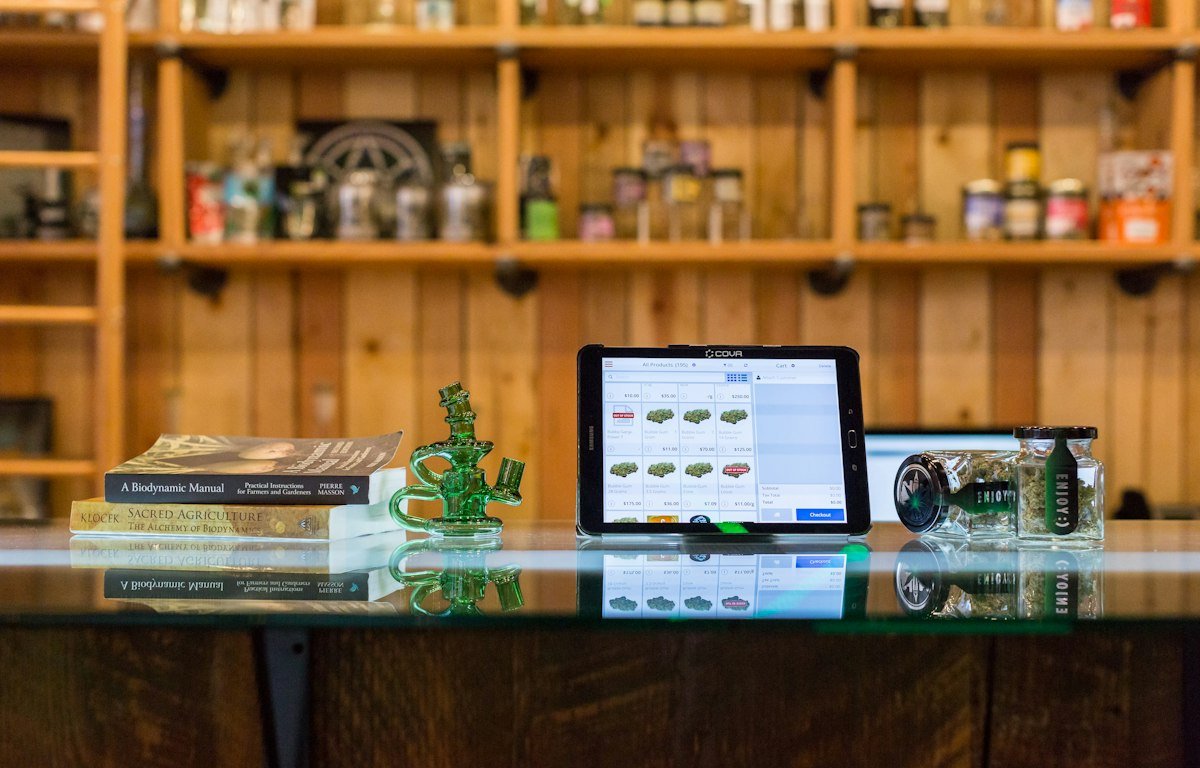
- Products are clearly labelled, stored properly and supplied in sealed packaging.
- Prices and quantities are transparent, and you are never pushed beyond your prescription.
- Staff talk about responsible use, not just about strength.
Warning signs are the opposite: no consultation, no questions, unlabelled bags, offers of delivery through social media or suggestions that you can take cannabis home on the plane.
Visiting for the first time
If you have never used cannabis before, or not for many years, say so at the start of the consultation. It is useful information for the practitioner, and nobody will judge you for it. First-time patients are usually advised to start with a very small amount, to wait before taking more, and to avoid combining cannabis with alcohol.
Plan the rest of your day around your visit. The best setting is a quiet evening at your accommodation, with water, something to eat and nowhere to drive. Koh Samui is a place to slow down, and there is no reason to rush anything.
Ask the team how long the effects of the prescribed product usually take to appear and how long they last. Products that are eaten, for example, take much longer to act than flowers, which is a common source of unpleasant surprises for beginners.
Language, prices and payment
Most licensed businesses on Koh Samui are used to international visitors, and staff usually speak English. Medical conversations can still be tricky in a second language, so do not hesitate to ask the practitioner to repeat or rephrase something. A translation app can help with specific medical terms.
Consultation fees and product prices vary from one business to another. Ask for the price of the consultation before it starts and for the price of the product before it is dispensed. A licensed business should be transparent about both, and you should never be pushed to buy more than your prescription allows.
Keep your receipt together with your prescription and the labelled packaging. Together, they show that your product was obtained legally, in the quantity prescribed.
Your privacy and your data
A licensed Koh Samui dispensary must identify each patient and keep records of prescriptions and sales, so it will collect some personal information about you. In Thailand, personal data is protected by the Personal Data Protection Act (PDPA), which gives you rights over the information businesses hold about you.
It is reasonable to ask how your data is stored, who can see it and how long it is kept. Health information is sensitive, and a serious business will be able to answer. Our own privacy policy explains how we handle the information our visitors share with us.
Etiquette inside the shop
A licensed dispensary is a medical setting, and a few courtesies go a long way.
- Be patient. Consultations take time, and other patients may be ahead of you.
- Respect privacy. Other visitors are patients too. Ask before taking photos, and never photograph other people.
- Do not consume on the premises. Licensed businesses must control smoke and odour.
- Ask, do not assume. If you are unsure about a rule, ask the staff rather than guessing.
- Tipping is not expected in a medical setting, although a thank-you is always appreciated.
After your visit: island rules to respect
Leaving a Koh Samui dispensary with a legally obtained product does not mean you can use it anywhere. The same rules apply to everyone on the island.
- No public consumption. Beaches, streets, viewpoints, markets and temple grounds are off limits, and fines for public nuisance can reach 25,000 baht.
- Check your accommodation’s rules. Many resorts and villas ban smoking indoors, and some ban cannabis entirely.
- Never drive or ride a scooter after using cannabis. Koh Samui’s roads are demanding even when you are fully alert.
- Store it properly. Heat and humidity can ruin flowers quickly. Our guide on how to store cannabis in the tropics explains what to do.
- Leave with nothing. Taking cannabis out of Thailand is a serious offence, whatever your destination.
If your consultation does not end with a prescription
It can happen, and it is not a failure. A practitioner may decide that medical cannabis is not appropriate for you, for example because of a health condition, other medication, pregnancy or simply because your situation does not match the conditions for which flowers can be prescribed.
In that case, respect the decision. Do not look for another business that will “just sell” you flowers without a prescription: that would take you outside the rules, and the product would not be traceable. If you have a health concern, the practitioner may suggest other options or advise you to see a doctor.
Getting to your appointment safely
Many visitors ride scooters on Koh Samui, but the island’s roads are busy, hilly and sometimes slippery after rain. If you plan to use prescribed cannabis after your visit, arrange your transport so that you never have to drive or ride afterwards. Taxis, ride-hailing apps and your accommodation’s shuttle are all safer choices.
Remember that you are legally required to wear a helmet on a scooter in Thailand, and that travel insurance often refuses claims when the rider was impaired or had no valid licence.
Opening hours and the best time to visit
Opening hours vary between businesses, and the presence of the practitioner may not cover every hour the doors are open. If you need a consultation, check when the practitioner is on duty before you set off, especially if you are staying on the other side of the island.
Early evening tends to be the busiest time in tourist areas. If you prefer a calmer visit with more time to ask questions, late morning or early afternoon is often quieter. On rainy days during the monsoon season, roads around the island can be slow, so allow extra travel time.
Finding a dispensary on Koh Samui
Most licensed businesses are found around the island’s busiest areas, such as Chaweng, Lamai, Bophut and Maenam, where most visitors stay. Because the rules changed so quickly, online maps and older blog posts often list places that have closed or no longer supply flowers. Before making a special trip, call or message ahead to check that the business is open, licensed and has a practitioner on site at the time you plan to visit.
Weed Samui has been part of the island’s cannabis community since 2022. If you want to know more about us and how we work, read our story.
Frequently asked questions
Do I need a prescription to buy cannabis at a Koh Samui dispensary?
Yes. Since mid-2025, cannabis flowers may only be supplied to patients holding a valid Thai prescription, usually a PT33, issued by a licensed practitioner.
Can I get the prescription at the dispensary?
Since January 2026, licensed dispensaries must have a qualified practitioner on site who can carry out consultations and, where appropriate, issue a prescription.
Can I smoke at the dispensary?
No. Licensed businesses must control smoke and odour, and consumption on the premises is not part of a legitimate medical visit.
Do dispensaries on Koh Samui deliver?
Online sales of cannabis flowers are banned, and a licensed dispensary must identify each patient and check the prescription. Be very cautious with any offer of delivery through social media.
Can I visit a dispensary just to ask questions?
Yes. A good dispensary team is used to questions from visitors and will explain how the rules and the consultation work, even if you decide not to go ahead.
What should I do with leftover cannabis before I fly home?
Do not pack it. Taking cannabis out of Thailand is illegal. Use it within your prescription period or dispose of it responsibly before you leave.
Sources
- Cannabis in Thailand 2026: how dispensaries are adapting to the medical-only rules, the Thaiger, August 2026.
- Thailand’s cannabis reset: dispensaries to clinics, Tilleke & Gibbins, January 2026.
- Thai Health Ministry tightens medical cannabis rules, Nation Thailand, September 2025.
Last updated: September 2026. This article is general information, not legal or medical advice. Rules change often: check the latest official information and the conditions of the business you visit.