Is weed legal in Thailand? It is the question we hear most often on Koh Samui, and the honest answer in 2026 is: only for medical use, and only with a prescription. Thailand made headlines in 2022 when it took cannabis off its list of narcotics, and for three years shops opened almost everywhere. Then, in mid-2025, the government changed course and brought cannabis flowers back under strict medical control.
This guide explains where things stand today, in plain English. It covers what changed and when, what the current Thai cannabis law allows, what is clearly not allowed, and what all of it means if you are visiting Koh Samui or anywhere else in the country. Rules in Thailand have changed several times in a short period, so we also tell you how to check the latest position before you act on anything.
Key takeaways
- Is weed legal in Thailand in 2026? Only for medical use, with a valid Thai prescription issued by a licensed practitioner.
- Since mid-2025, cannabis flowers are classed as a controlled herb. Recreational sale and use are not allowed.
- Smoking in public can lead to fines of up to 25,000 baht, and online sales, vending machines and advertising are banned.
- Foreign medical cards and prescriptions are not valid in Thailand, and taking cannabis in or out of the country is a serious offence.
- Thai cannabis law keeps evolving: always check the latest rules before you buy, carry or use anything.
In this article
Is weed legal in Thailand? The short answer
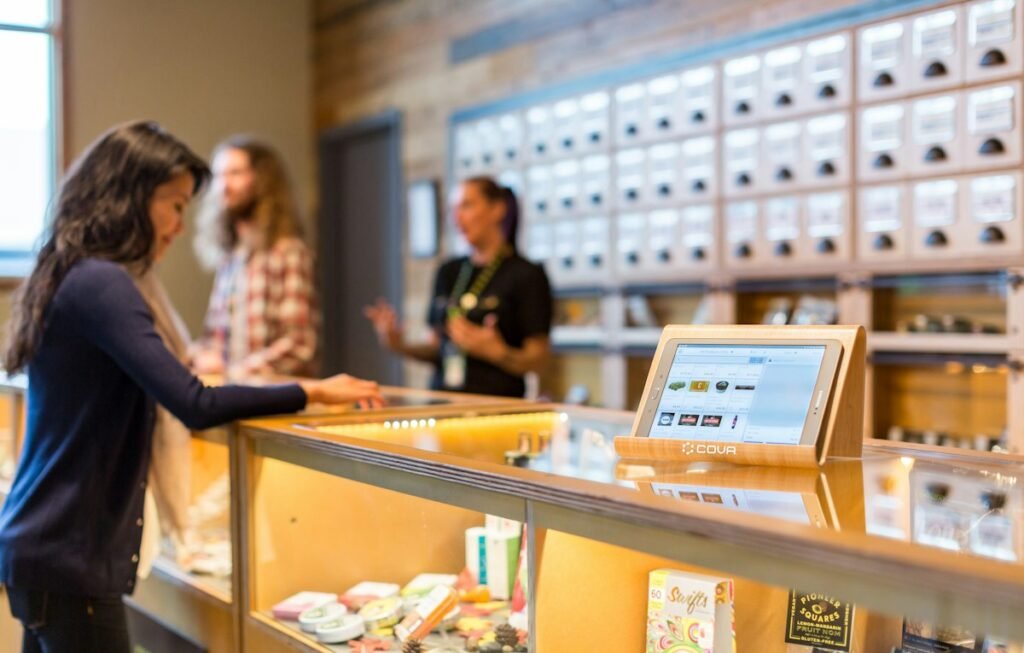
Cannabis in Thailand is legal in a narrow, medical sense. The flowers of the plant, the part most people think of as “weed”, are officially a controlled herb. A licensed shop may only supply them to a patient who holds a valid prescription, and only in the quantity written on that prescription.
That prescription is usually called a PT33, after the name of the official form. It can only be issued after a genuine consultation with a licensed practitioner, and it lasts for a maximum of 30 days. We explain the whole process step by step in our guide to the PT33 prescription.
What is no longer legal is the situation many travellers still remember from 2022 to 2025: walking into a shop, choosing a strain from the menu and paying for it, with no questions asked about your health. Recreational sale and recreational use are not permitted under the current rules.
So if a friend tells you that weed is simply “legal now” in Thailand, they are describing a period that has ended. The more accurate answer to the question “is weed legal in Thailand” is: yes for patients with a prescription, no for everyone else.
How Thai cannabis law changed from 2022 to 2026
To understand today’s rules, it helps to see the timeline. Thailand has moved faster on cannabis than almost any other country in Asia, in both directions.
- 2018–2019: Thailand becomes the first country in Southeast Asia to legalise cannabis for medical use, under strict state control.
- June 2022: cannabis is removed from the list of Category 5 narcotics. Growing and selling the plant becomes possible for registered businesses, and thousands of shops open across the country.
- 2022–2025: cannabis flowers are sold widely, including on Koh Samui, under light rules such as a minimum age of 20 and no sales to pregnant or breastfeeding women.
- Mid-2025: the Ministry of Public Health reclassifies cannabis flowers as a controlled herb. Buying them now requires a prescription.
- September 2025: the rules narrow further. Flowers may only be prescribed for a short list of conditions, and prescriptions are limited to 30 days.
- January 2026: licensed dispensaries must have a qualified practitioner physically present on site.
- April 2026: licensed premises are limited to medical facilities, pharmacies, herbal retailers and the workplaces of traditional healers.
The effect on the market has been dramatic. According to reporting by the Thaiger, only about 15% of the licences that expired in 2025 were renewed, as many shops chose to close rather than convert into clinic-style businesses.
A full cannabis act has been debated in parliament for several years. At the time of writing, day-to-day Thai cannabis law is still set mainly by ministerial regulations and by the existing laws on traditional medicine, medical facilities and herbal products.
What the current rules allow
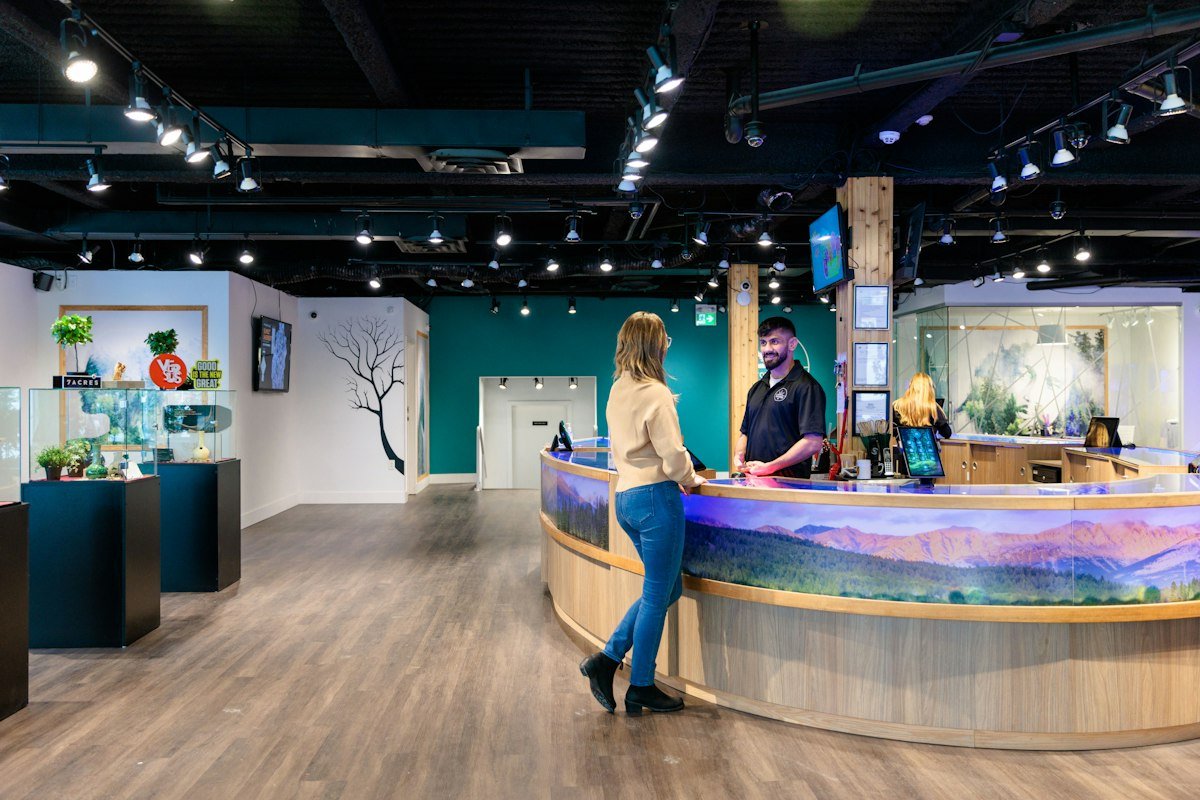
Here is what is allowed under the rules in force in 2026, based on the ministerial regulations and on the analysis published by the law firm Tilleke & Gibbins.
Medical use with a prescription
A patient may buy and use cannabis flowers when a licensed practitioner has assessed them and issued a prescription. The prescription states the product, the quantity and the length of the treatment, up to a maximum of 30 days.
Seven professions may issue a prescription when properly licensed: medical doctors, Thai traditional medicine practitioners, applied Thai traditional medicine practitioners, traditional Chinese medicine practitioners, pharmacists, dentists and folk healers.
A short list of conditions
In September 2025, the Ministry of Public Health confirmed that cannabis flowers may be prescribed for five conditions: insomnia, chronic pain, migraines, Parkinson’s disease and loss of appetite, as reported by Nation Thailand. Mentioning one of them does not guarantee a prescription. The practitioner must decide that cannabis is appropriate for you.
Licensed, traceable supply
Licensed premises must source their flowers from farms certified to Good Agricultural and Collection Practices (GACP) and keep records of every prescription and every sale. In practice, a legal purchase in 2026 always leaves a paper trail.
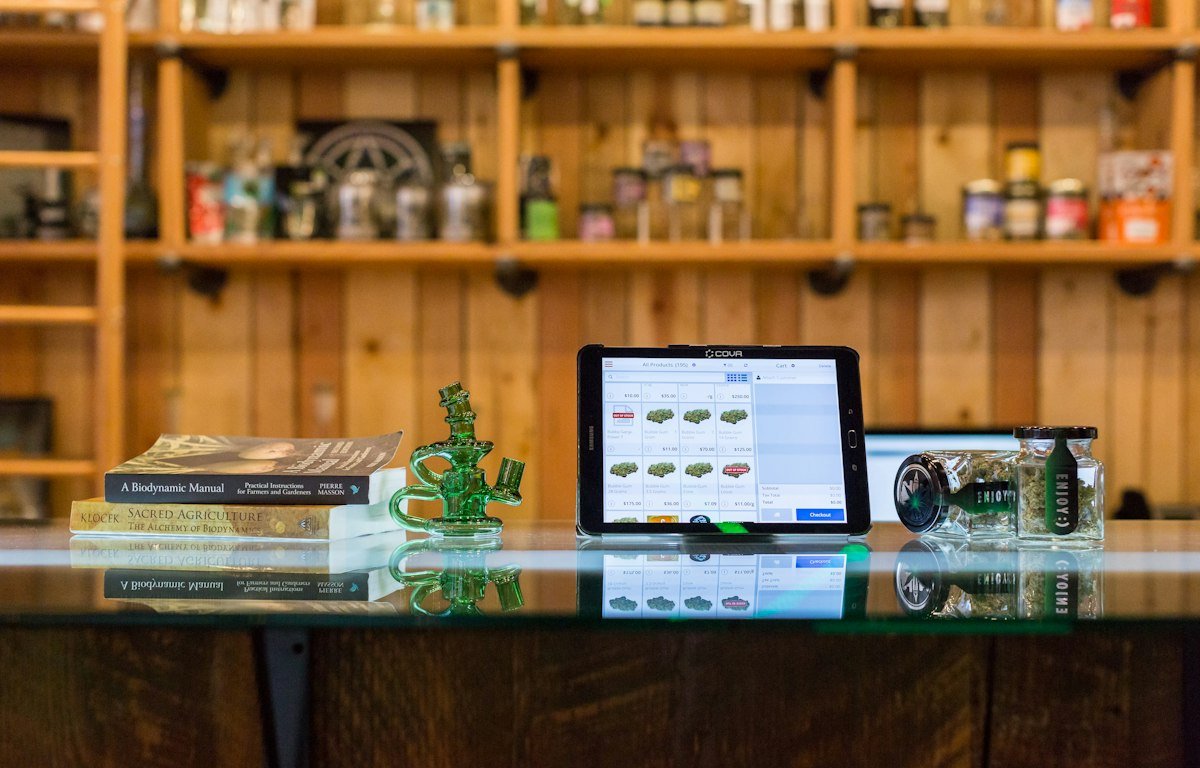
This traceability is also a useful test for you as a patient. A licensed business will ask for your prescription, check your identity and give you a product that is clearly labelled. If none of that happens, the sale is not happening within Thai cannabis law, whatever the sign above the door says.
What is not allowed
The list of things that are clearly not allowed is longer, and it matters more for visitors, because these are the rules people break without realising it.
- Recreational sale and use. Buying cannabis without a prescription, or selling it to someone who has none, is outside the rules.
- Smoking in public. Streets, beaches, parks, markets and other public places are off limits. Under Thailand’s public health laws, smoke that disturbs others can lead to fines of up to 25,000 baht.
- Online and vending machine sales. Cannabis flowers may not be sold through websites, apps, social media or vending machines.
- Advertising. Promoting cannabis flowers for sale is banned on every platform.
- Foreign prescriptions. A medical card or prescription from your home country has no legal value in Thailand.
- Import and export. Bringing cannabis into Thailand, or taking it out, is treated as a serious drug offence.
- Sales to minors and during pregnancy. Cannabis may not be supplied to anyone under 20, or to pregnant or breastfeeding women.
For businesses, breaking the rules can mean the suspension or loss of their licence and criminal penalties of up to one year in prison or a 20,000 baht fine. For individuals, the consequences depend on the offence, from on-the-spot fines to criminal charges for anything involving borders.
Penalties and risks at a glance
The table below summarises the main situations visitors ask us about. It is a simplified overview, not a legal opinion, but it shows where the real risks are.
| Situation | What the current rules say |
|---|---|
| Buying flowers with a valid Thai prescription | Allowed, from licensed premises, up to the quantity prescribed |
| Buying flowers without a prescription | Not allowed: recreational sale is outside the rules |
| Smoking on a beach or in the street | Not allowed: fines of up to 25,000 baht |
| Ordering cannabis online or through social media | Not allowed: online sales and advertising are banned |
| Using a foreign medical card | Not valid in Thailand |
| Carrying cannabis through an airport or across a border | Serious offence, treated as drug trafficking |
Can tourists buy weed legally in Thailand?
Yes, but only in the same way as residents: with a valid Thai prescription. Tourists are not banned from medical cannabis, and there is no separate “tourist licence”. A visitor who genuinely suffers from one of the approved conditions can consult a licensed practitioner, and the practitioner decides whether a prescription is appropriate.
Bring your passport, because licensed premises must identify every patient and keep records. Be ready to answer questions about your health, any medication you take and any previous experience with cannabis. Answer honestly: a consultation is a medical act, and a practitioner may refuse to prescribe.
What you should not do is look for shortcuts. A place that offers to sell you flowers without a consultation, or a “prescription” without any real assessment, is not operating within the rules. The same applies to street sellers and to anyone offering delivery through social media.
If you have questions about how this works on Koh Samui in practice, you are welcome to contact our team before your visit.
Where you can use cannabis legally
Holding a prescription does not make it acceptable to use cannabis anywhere you like. The safest rule is simple: private places only, and only where the owner allows it.
- Your hotel or villa: most resorts, hotels and rental villas on Koh Samui have their own rules on smoking. Many ban it indoors and some ban cannabis entirely. Check before you arrive, because cleaning fees and fines for smoking in rooms are common.
- Beaches and public places: not allowed. This includes beaches such as Chaweng and Lamai, viewpoints, night markets and temple grounds.
- Vehicles: never use cannabis before driving a car or riding a scooter. Impaired driving is illegal, dangerous and not covered by insurance.
Travelling with cannabis: airports, ferries and borders
This is where visitors take the biggest risks, often without knowing it.
Leaving Thailand with cannabis is illegal, whatever the laws of the country you are flying to. Customs officers at Samui Airport, Suvarnabhumi and every other airport check luggage. Many neighbouring countries, including Singapore, Malaysia and Indonesia, have some of the harshest drug laws in the world, and they apply to anything found in your bag on arrival.
Bringing cannabis into Thailand is also illegal, even with a prescription from home, and it is treated as drug trafficking.
Within Thailand, keep any prescribed product in its original, labelled packaging together with your prescription, in case you need to show that it was obtained legally. Carry only the quantity written on your prescription, and never more than you need for the days ahead.
CBD, edibles and vapes
CBD products that contain little or no THC are regulated separately from cannabis flowers, and low-THC products can be sold without a prescription. Extracts containing more than 0.2% THC by weight, on the other hand, remain controlled narcotics. Read labels carefully, and remember that CBD rules in your home country may be very different.
Edibles made with cannabis extracts fall under food and extract rules, and products with THC are tightly controlled. Be very cautious with anything sold as a “space cake” or gummy without clear labelling.
Vapes and e-cigarettes are a separate issue, but an important one: they are banned in Thailand, whether they contain nicotine or cannabis. Travellers have been fined for carrying them, so leave your vape at home.
Common misunderstandings about Thai cannabis law
Because the rules changed so quickly, many online articles are out of date. Here are the mistakes we hear most often.
- “Weed is legal for everyone in Thailand.” It was sold widely between 2022 and 2025, but since mid-2025 a prescription is required.
- “A shop’s licence on the wall means I can buy anything.” A licence allows a business to supply patients with prescriptions. It does not make a sale without a prescription legal.
- “My medical card from home works here.” It does not. Only a Thai prescription counts.
- “A small amount in my luggage will be fine.” It will not. Crossing a border with cannabis is a serious offence.
We cover more of these in our article on common cannabis myths in Thailand.
What this means for your trip to Koh Samui
Koh Samui is a relaxed island, and most visitors will never have a problem as long as they respect a few simple principles:
- If you want to use cannabis, do it legally: consultation, prescription, licensed premises.
- Keep it private: no smoking on beaches, in the street or anywhere people can be disturbed.
- Never drive or ride a scooter after using cannabis.
- Keep products in their labelled packaging with your prescription.
- Leave Thailand with nothing: use it or dispose of it before your flight.
If you are curious about how cannabis became part of Thai life in the first place, read our short history of cannabis in Thailand.
How to stay up to date with Thai cannabis law
Because the rules have changed so often, the date of what you read matters as much as its content. A blog post from 2023 describing “legal weed shops everywhere” was accurate when it was written and is misleading today. Before you rely on any information, including ours, check three things.
- The date. Look for a clear “last updated” line. Anything written before mid-2025 describes a different legal situation.
- The source. Official announcements come from the Ministry of Public Health and its Department of Thai Traditional and Alternative Medicine. Established news outlets such as Nation Thailand and the Bangkok Post report each change.
- The practical rules where you stay. Your hotel, villa or resort may have stricter rules than the law, and those rules apply to you as a guest.
When in doubt, ask. A licensed practitioner or a licensed dispensary can explain what applies to your situation, and asking a question is always cheaper than a fine.
Frequently asked questions
Is weed legal in Thailand for tourists?
Only with a valid Thai prescription issued by a licensed practitioner after a genuine consultation. Tourists follow the same rules as residents, and foreign prescriptions are not accepted.
Can I smoke weed on the beach in Koh Samui?
No. Beaches are public places, and smoking cannabis in public can lead to fines of up to 25,000 baht. Use prescribed cannabis only in private places where the owner allows it.
Is CBD legal in Thailand?
Low-THC CBD products are regulated separately and can be sold without a prescription. Products with more than 0.2% THC remain controlled. Check the label, and check your home country’s rules before travelling with any CBD product.
Can I take cannabis home from Thailand?
No. Taking cannabis out of Thailand is illegal, and bringing it into another country can lead to very severe penalties, depending on the destination.
Where can I check the latest rules?
The official source is Thailand’s Department of Thai Traditional and Alternative Medicine, which oversees controlled herbs. Reputable Thai news outlets also report each change. Our own guides carry the date of their last update.
Sources
- Department of Thai Traditional and Alternative Medicine, Ministry of Public Health: official information on controlled herbs.
- Thai Health Ministry tightens medical cannabis rules, Nation Thailand, September 2025.
- Thailand’s cannabis reset: dispensaries to clinics, Tilleke & Gibbins, January 2026.
- Cannabis in Thailand 2026: how dispensaries are adapting to the medical-only rules, the Thaiger, August 2026.
Last updated: September 2026. This article is general information, not legal or medical advice. Thai cannabis law changes often: check the latest official rules before you buy, carry or use any cannabis product. See also our responsible use principles.