The history of cannabis in Thailand is far longer and more surprising than the recent headlines suggest. Long before the country made international news in 2022, the plant was part of Thai kitchens, village remedies and traditional medicine. It was then banned for most of the twentieth century, became world-famous through the “Thai stick”, returned as a medicine in 2019, was decriminalised in 2022 and, in 2025, was brought back under strict medical control.
Understanding this history helps explain why cannabis in Thailand is regulated the way it is today, and why the rules have swung so quickly. Here is the story in six chapters, from traditional medicine to the prescription system that applies on Koh Samui and across the country in 2026.
Key takeaways
- Cannabis, known in Thai as ganja, was used for centuries in traditional medicine and cooking.
- Thailand banned it in 1934 and classed it as a Category 5 narcotic under the Narcotics Act of 1979.
- In the 1960s and 1970s, the Thai stick made Thai cannabis famous around the world.
- Thailand legalised medical cannabis in 2019 and removed it from the narcotics list in June 2022.
- Since mid-2025, cannabis flowers are a controlled herb again, available only with a prescription.
In this article
Chapter 1: a plant rooted in traditional medicine and cooking
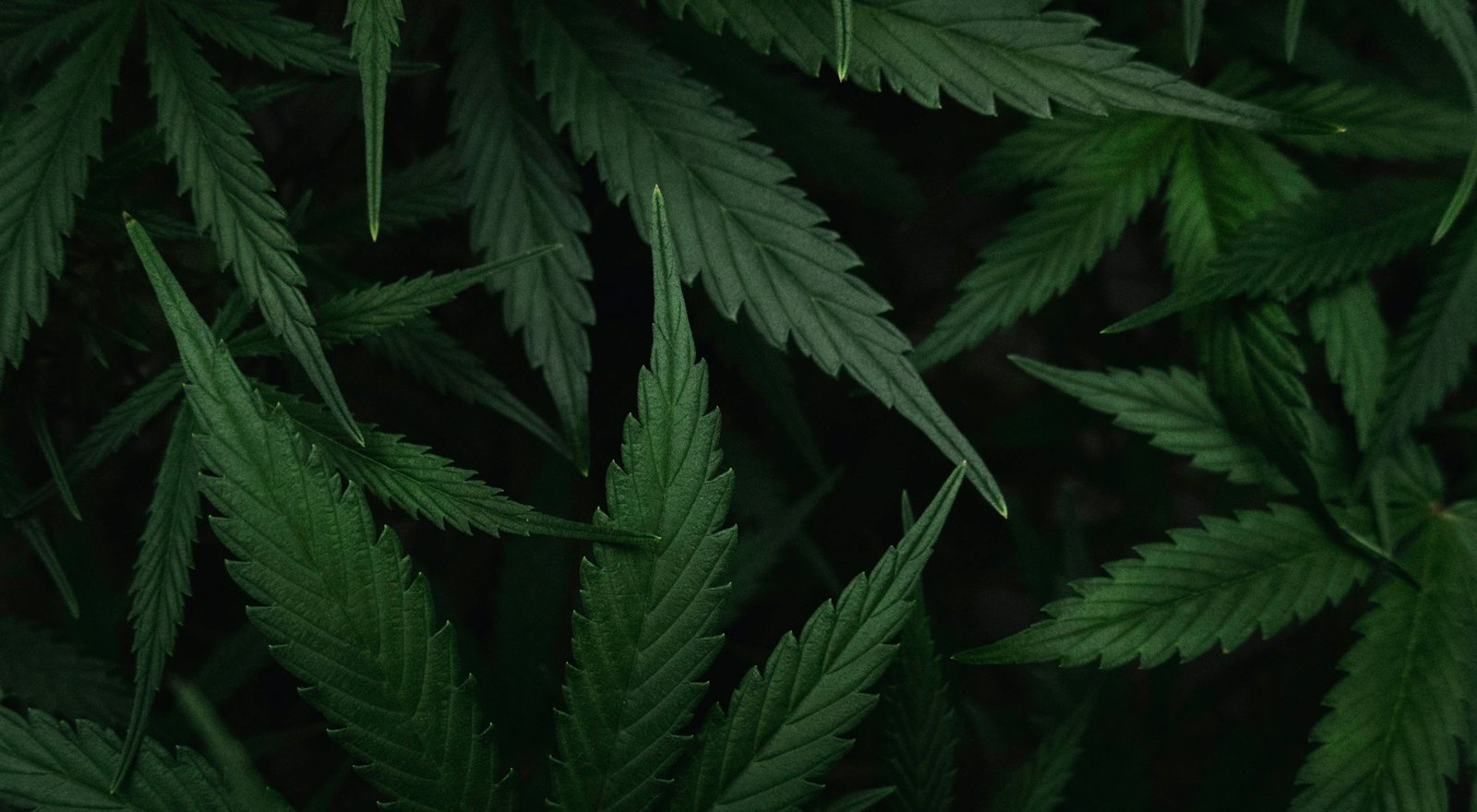
Cannabis grows easily in Thailand’s warm, humid climate, and for generations it was simply one plant among many in the rural pharmacy. In Thai, it is called ganja, and it appears in traditional medicine texts and household remedies. Healers used it in preparations intended to help with sleep, appetite and pain, often combined with other herbs.
Traditional medicine was not a marginal practice. Thailand has a long, structured tradition of herbal medicine, with its own texts, schools and practitioners, and the state still recognises Thai traditional medicine alongside modern medicine today. That is why, when the country later reorganised the rules on cannabis, it did so largely through the laws on Thai traditional medicine.
Cannabis also had a place in the kitchen. Older generations remember leaves being added to soups, curries and noodle broths to enrich the flavour, in small quantities and as one ingredient among many. In the hills of northern Thailand, hemp, a variety of the same plant grown for fibre, was woven into clothing by communities such as the Hmong, whose hemp textiles are still admired today.
Traditional formulas
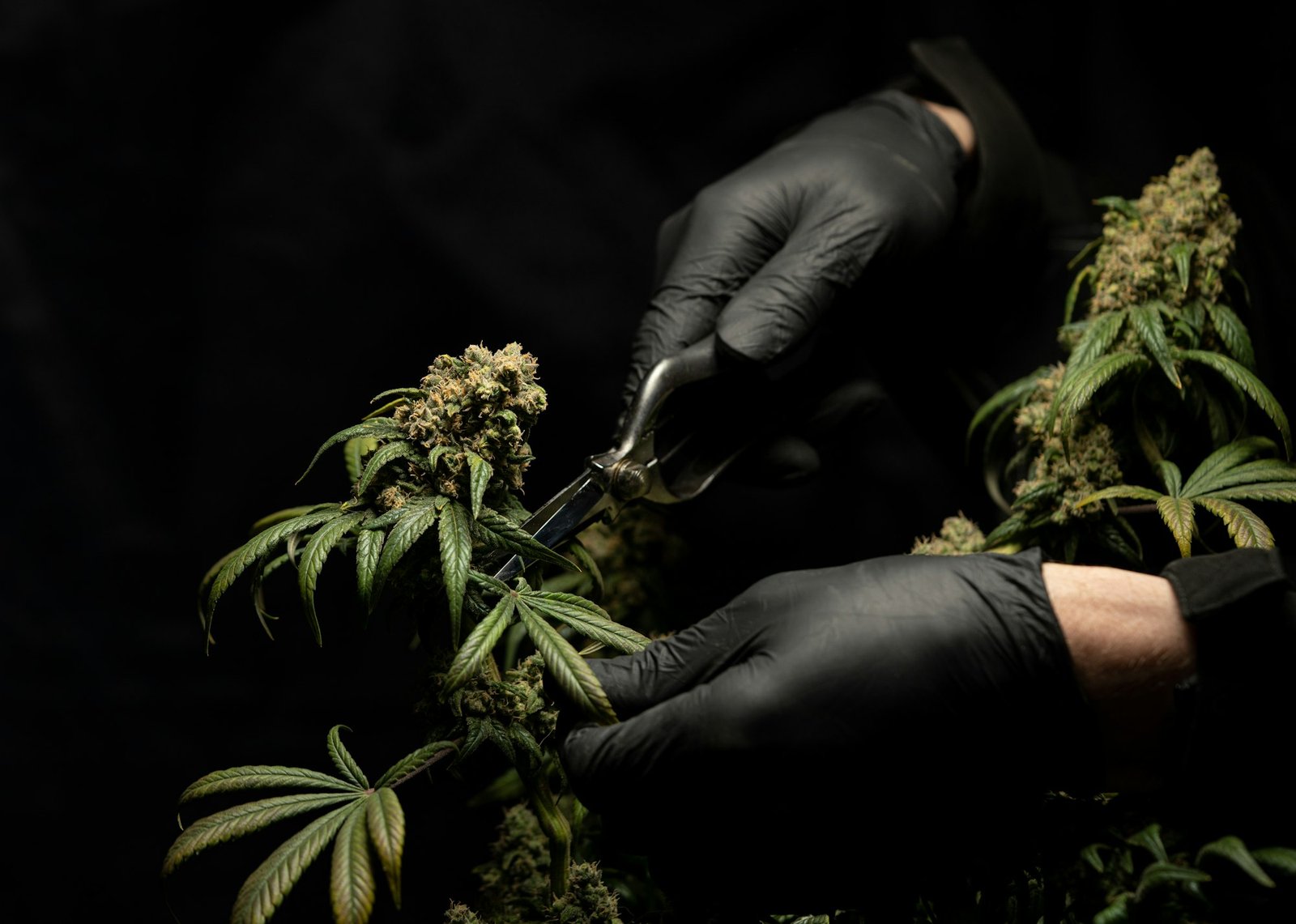
Thai traditional medicine uses formulas, carefully balanced mixtures of several herbs, rather than single plants. Some historical formulas include cannabis as one ingredient among many. After medical cannabis became legal again in 2019, the Ministry of Public Health approved a number of these traditional formulas for use by licensed practitioners. One of the best known is Suk Sai Yat, a traditional formula historically associated with sleep and appetite.
These formulas are part of a medical tradition with its own rules and practitioners. They are not recreational products, and they can only be prescribed and dispensed within the framework of Thai traditional medicine.
Chapter 2: prohibition in the twentieth century
The first major turning point came in 1934, when Thailand passed a Cannabis Act that banned the possession, sale and use of the plant. The ban reflected international pressure at the time, as more and more countries were restricting drugs, but it clashed with local habits. For decades, cannabis continued to grow in villages, particularly in the north-east, while being officially illegal.
The ban was strengthened by the Narcotics Act of 1979, which placed cannabis in Category 5, alongside kratom and some other plants. Penalties for possession and trafficking were serious, and Thailand became known for a strict approach to drugs, one that many travellers still associate with the region.
Prohibition did not erase the traditional knowledge, however. It pushed it into the background, into family memories and old texts, where it would wait for the next chapter in the history of cannabis in Thailand.
Chapter 3: the Thai stick era
While cannabis was illegal at home, Thai cannabis became famous abroad. In the 1960s and 1970s, the Thai stick, flowers carefully tied around a thin stick of bamboo or a similar stem, became a legendary product in the United States and Europe.
The preparation itself was part of the legend. The best flowers were selected, sometimes cured for a period, and carefully tied around the stick with plant fibre, producing a compact, easily recognisable product. For buyers abroad, the name became a byword for quality and exotic origin, and imitations soon appeared.
Much of that fame came through the Vietnam War. American servicemen on rest and recreation leave in Thailand encountered local cannabis, and the reputation of Thai sativa strains, long, airy flowers with a bright, uplifting character, spread quickly once they returned home. The Thai stick even gave its name to a whole style of presentation, and the phrase is still used today.
Thai landrace genetics, the traditional varieties adapted to local conditions over generations, also left a lasting mark on modern cannabis. Breeders in the 1970s and 1980s used Thai plants in some of the most influential crosses of the era. The famous Haze family, for example, is usually described as having Thai ancestry alongside Colombian, Mexican and South Indian varieties. You can read more about this period on the Thai stick page of Wikipedia.
Why Thai sativas were different
Plants adapt to the place where they grow. In Thailand’s hot, humid climate, with long seasons and stable day length near the equator, traditional cannabis varieties evolved to be tall and slender, with long flowering times and airy flowers that resist mould better than dense ones. These traits made Thai landraces distinctive, but also challenging to grow in colder climates, which is one reason breeders crossed them with other varieties.
Chapter 4: medical legalisation in 2019
The modern revival began at the end of 2018, when Thailand amended its narcotics law to allow cannabis for medical use and research. The new rules took effect in early 2019 and made Thailand the first country in Southeast Asia to legalise medical cannabis.
This first step was cautious. Medical cannabis was tightly controlled, grown under state supervision and prescribed through hospitals and approved practitioners. Thai traditional medicine was given a central role, and government hospitals began offering cannabis-based treatments, including traditional formulas.
The debate that followed was lively. Supporters saw cannabis as a way to revive traditional knowledge, create income for farmers and attract health tourism. Critics worried about addiction, young people and the country’s image. Both sides would shape the next chapter.
A wider change in Thai drug policy
The return of medical cannabis was part of a broader rethink of Thailand’s drug policy. In 2021, the country consolidated its drug laws into a new Narcotics Code and removed kratom, a native plant traditionally chewed by labourers in the south, from the list of narcotics. Cannabis followed a year later. For a few years, Thailand was held up as a rare example of drug policy reform in a region known for severe penalties.
Chapter 5: decriminalisation and the boom of 2022
On 9 June 2022, Thailand removed cannabis from its list of narcotics. Extracts containing more than 0.2% THC by weight remained controlled, but the plant itself, including its flowers, could now be grown and sold by registered businesses. The move made headlines around the world, and many people described Thailand as the first Asian country to “legalise weed”.
In practice, the rules were light. Regulations introduced in 2022 designated cannabis flowers as a controlled herb for sale, banned sales to people under 20 and to pregnant or breastfeeding women, and made smoke that disturbs others a public nuisance. But there was no requirement to justify a medical need, and shops opened at extraordinary speed, from Bangkok’s Khao San Road to the beach roads of Phuket and Koh Samui.
On Koh Samui, the change was visible within months. Small shops with green signs appeared along the beach roads of Chaweng and Lamai, in the lanes of Bophut and near the island’s night markets. Menus were written in English, prices were shown per gram, and some shops opened late into the night to serve visitors. For many travellers, buying cannabis on holiday suddenly felt as ordinary as buying souvenirs.
For three years, cannabis in Thailand was visible almost everywhere tourists went. The boom created jobs and businesses, including on our island, but it also fuelled concerns about recreational use, public smoking, sales to young people and the lack of quality control.
Chapter 6: the 2025 reset to medical-only
In mid-2025, the Ministry of Public Health changed course. Cannabis flowers were reclassified as a controlled herb that can only be supplied with a prescription. In September 2025, prescriptions were limited to 30 days and to five conditions: insomnia, chronic pain, migraines, Parkinson’s disease and loss of appetite, as reported by Nation Thailand.
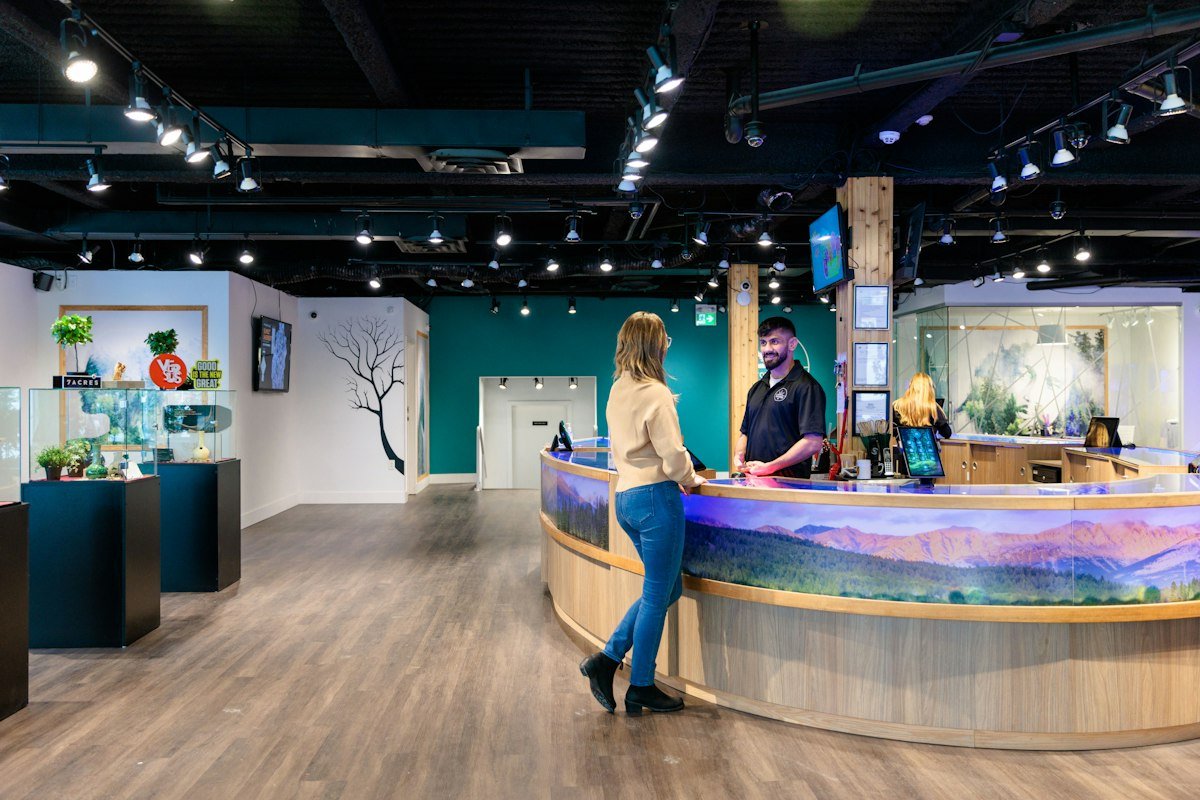
In 2026, the rules went further. Licensed dispensaries were required to have a qualified practitioner on site, and licensed premises were limited to medical facilities, pharmacies, herbal retailers and traditional healers’ workplaces. Many shops chose to close rather than transform into clinic-style businesses. The PT33 prescription, which we explain in our guide to the PT33 prescription, became the key to any legal purchase.
In a sense, the history of cannabis in Thailand has come full circle. The plant started as a medicine, spent decades as a forbidden drug, had a brief recreational moment, and is once again treated first and foremost as a medicine, regulated through the country’s traditional medicine laws.
Timeline: cannabis in Thailand at a glance
| Year | Milestone |
|---|---|
| Before 1934 | Cannabis used in traditional medicine, cooking and hemp textiles |
| 1934 | The Cannabis Act bans the plant |
| 1979 | The Narcotics Act places cannabis in Category 5 |
| 1960s–1970s | The Thai stick becomes famous abroad |
| 2019 | Medical cannabis becomes legal, a first in Southeast Asia |
| 2022 | Cannabis is removed from the narcotics list on 9 June |
| 2025 | Flowers become a prescription-only controlled herb |
| 2026 | Dispensaries must have a practitioner on site |
What this history means for visitors today
The rapid changes of the last few years explain much of the confusion visitors feel. Articles written in 2022 or 2023 describe a situation that no longer exists, and friends who visited a few years ago may give advice that is now wrong. The key points for 2026 are simple:
- Cannabis flowers are legal only for medical use, with a valid Thai prescription.
- Public consumption is not allowed, and fines can reach 25,000 baht.
- Crossing a border with cannabis remains a serious offence.
- Rules keep evolving, so always check the date of the information you read.
Our guide on whether weed is legal in Thailand covers these points in detail, and our article on cannabis myths corrects the most common misunderstandings.
Thai traditional medicine today
Traditional medicine is not a museum piece in Thailand. The Department of Thai Traditional and Alternative Medicine, part of the Ministry of Public Health, trains and licenses practitioners, supports research and promotes traditional remedies. Many public hospitals have departments or clinics that offer traditional treatments alongside modern medicine.
This is why cannabis regulation in Thailand passes through the traditional medicine framework rather than only through drug laws. Since mid-2025, Thai traditional medicine practitioners are among the professionals who can prescribe cannabis flowers, using the PT33 form explained in our guide to the PT33 prescription. In that sense, the oldest chapter of the story and the newest one are closely connected.
Koh Samui’s place in the story
Koh Samui was long an island of coconut plantations and fishing villages, reached by boat from the mainland. Backpackers began to discover its beaches in the 1970s, and the opening of the island’s airport in 1989 turned it into one of Thailand’s best-known holiday destinations.
The island was never a centre of cannabis cultivation, but it experienced the 2022 boom very visibly, as a place where thousands of international visitors arrived every week. Today, it also experiences the medical-only reset, with fewer businesses and stricter rules. For visitors, Koh Samui is a good place to see how quickly Thailand’s relationship with cannabis has changed.
The lasting legacy of Thai cannabis culture
Beyond the law, cannabis in Thailand has left a cultural legacy. Thai landrace strains are still grown by enthusiasts and still appear in the family trees of modern cultivars. Traditional medicine continues to study and use the plant within its own framework. And the phrase “Thai stick” still evokes a certain golden age in cannabis history, far beyond Thailand’s borders.
On Koh Samui, the story is visible in small ways: in the older generation’s memories of ganja in the family kitchen, in the hemp textiles sold at northern craft markets and visiting fairs, and in the way the island’s licensed dispensaries now combine traditional hospitality with a medical framework. The history of cannabis in Thailand is not finished, and the next chapter will depend on the new cannabis law that parliament has been debating for several years.
Frequently asked questions
When was cannabis first banned in Thailand?
Cannabis was banned by the Cannabis Act of 1934, and the ban was reinforced by the Narcotics Act of 1979, which classed it as a Category 5 narcotic.
When did Thailand legalise medical cannabis?
Thailand amended its narcotics law at the end of 2018, and medical cannabis became legal in early 2019, making it the first country in Southeast Asia to do so.
What is a Thai stick?
A Thai stick is a traditional presentation of Thai cannabis, with flowers tied around a thin stick. It became famous in the United States and Europe in the 1960s and 1970s.
Is cannabis part of Thai traditional medicine?
Yes. Cannabis, or ganja, appears in Thai traditional medicine, and today’s rules on cannabis flowers are organised largely through the laws on traditional medicine.
Why did Thailand change its cannabis rules again in 2025?
After 2022, the rules allowed a large recreational market to grow without the controls originally planned. Concerns about young people, public smoking, product quality and the country’s image led the government to reclassify cannabis flowers as a prescription-only controlled herb in mid-2025, returning to a medical focus.
Are Thai landrace strains still grown today?
Yes, by some farmers and enthusiasts who preserve traditional varieties. They are rarer than modern hybrids, which dominate commercial production, but they remain an important part of Thailand’s cannabis heritage and of the genetics of many famous strains.
Is cannabis still legal in Thailand today?
Only for medical use. Since mid-2025, cannabis flowers can only be supplied to patients with a valid Thai prescription issued by a licensed practitioner.
Sources
- Cannabis in Thailand, Wikipedia.
- Thai stick, Wikipedia.
- Thai Health Ministry tightens medical cannabis rules, Nation Thailand, September 2025.
- Thailand’s cannabis reset: dispensaries to clinics, Tilleke & Gibbins, January 2026.
Last updated: September 2026. This article is general information about history and law, not legal advice. For the current rules, read our guide on whether weed is legal in Thailand.